
Why Does My DIY Spray Paint Feel Sticky and How to Fix It?
Discover why humidity traps solvents in your spray paint and exactly how to seal a tacky finish with a hardware store clear coat for a professional result.

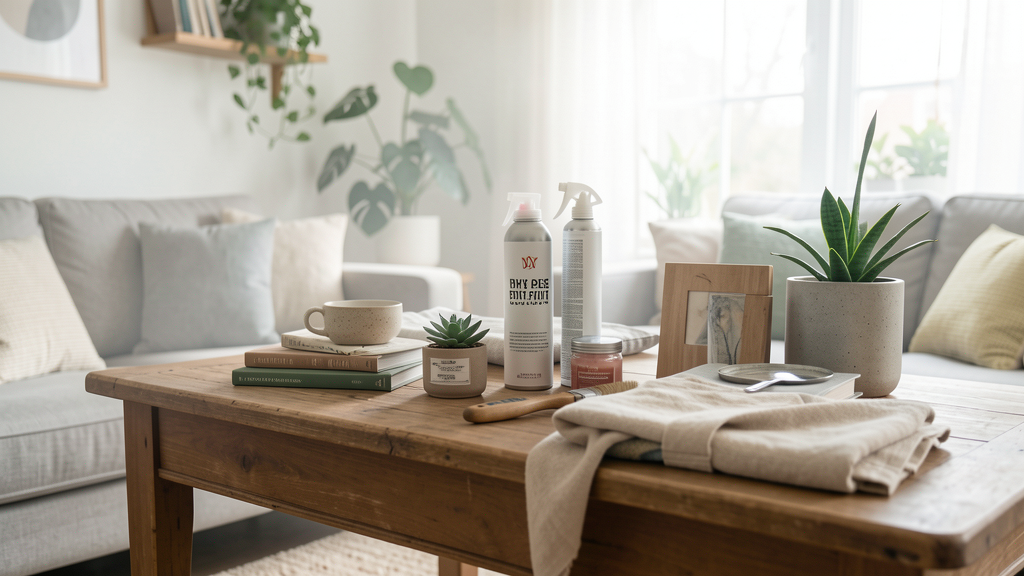
There is a specific kind of heartbreak that happens when you spend a Saturday afternoon transforming a tired set of nightstands you scored for ten dollars, only to find them still sticky to the touch three days later. You check the weather, assuming rain is the culprit, but the forecast has been clear. You wait another week. The paint feels like it has developed a permanent layer of adhesive. This is the "tacky paint" phenomenon, and it is not a sign that you bought bad spray paint. It is a sign of a chemical battle lost to the environment.
The most common reason spray paint remains sticky is that the solvent, the liquid carrier for the pigment, has not been able to evaporate completely. While many DIY enthusiasts blame the brand of paint, the issue is almost always ambient humidity interfering with the drying mechanism. When the air is thick with moisture, the solvent in the paint cannot escape into the atmosphere as it should. Instead, it gets trapped beneath the surface layer, creating a soft, gummy texture that attracts dust and ruins the high-end aesthetic we aim for here at Aesthetic4.
I have faced this issue multiple times, most notably during a patio makeover last July when the humidity in my area hovered around 85%. I thought I could rush a coat of gloss black onto a metal bistro set. The result was a disaster that attracted every mosquito and leaf in the garden. However, I learned that the situation is not hopeless. You do not need to strip the piece down to bare metal or wood. You can fix sticky paint by understanding the chemistry and applying a specific clear coat to force a cure.
The Chemical Culprit: Humidity and Solvents
To fix the problem, we must first understand why standard spray paints—particularly enamel and lacquer varieties found at hardware stores—fail. These paints rely on solvent evaporation to dry. The paint is essentially a mixture of pigment, resins, and solvents. When you spray the can, the solvents are supposed to flash off, leaving the resin and pigment behind to harden.
When the relative humidity is high, the concentration of water vapor in the air is high. This creates a barrier that prevents the solvent from evaporating efficiently. The solvent tries to leave the paint, hits the wall of moisture in the air, and slows down. In some cases, the moisture can even cause the resins to separate from the pigment, a condition known as "blushing," which looks like a milky haze on dark colors. But usually, it just leaves the finish soft.
The stickiness is actually uncured resin. It feels tacky because, chemically, it is still wet. If you leave it like this, it will eventually harden, but it could take months. Worse, during that time, it will collect debris. If you try to paint over it with more of the same spray paint, you are essentially adding more solvent to a trapped system, making the problem worse.
Why Simply Waiting Won’t Work
The standard advice on many forums is to "give it more time." While patience is a virtue in interior styling, there is a limit to its utility. If the paint has been sticky for more than 48 hours in moderate temperatures, simply waiting is rarely the solution. The chemical reaction has stalled. The outer layer has skinned over, sealing the moisture and solvent inside.
You cannot wash this stickiness off with water or soap. Water will just bead up on the oily surface. Using alcohol or mineral spirits might strip the paint entirely, sending you back to square one. The goal is not to remove the paint but to force it to harden. This requires a catalyst, which in the world of budget DIY, comes in the form of a solvent-based clear coat.
I often see this mistake when people try to create textures. If you are trying to mimic textures with a mix of baking soda and paint, the thickness of the mixture makes drying even harder. Add high humidity to that thickness, and you have a recipe for a permanently tacky surface. The solution lies in changing the chemistry of the top layer.
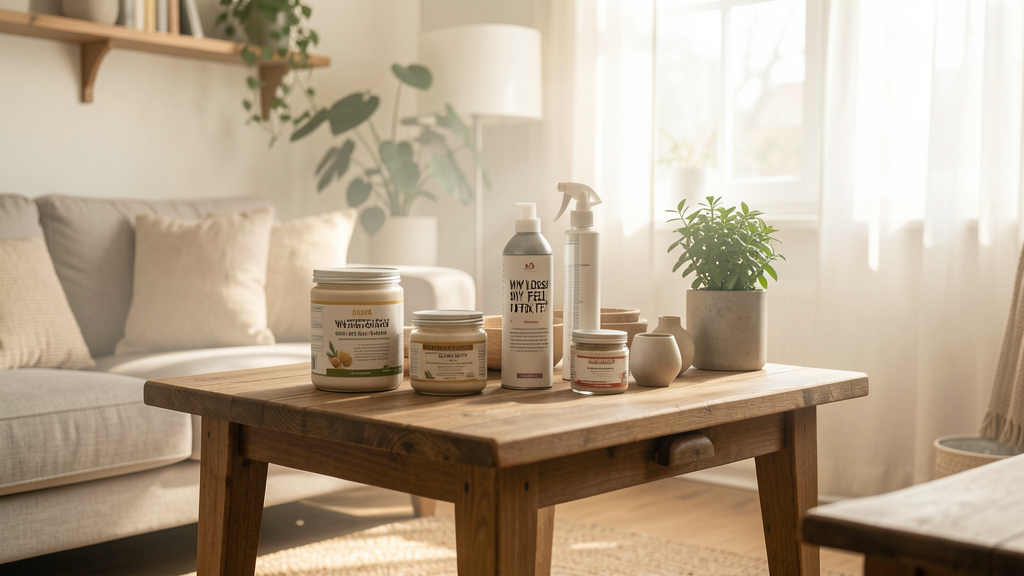
The Solution: Applying a Hardening Clear Coat
The most effective way to cure sticky spray paint is to apply a light, even coat of a high-quality clear coat, specifically one designed for the type of paint you used. For most generic spray paints (which are usually acrylic-enamel blends), a water-based polycrylic is risky because the water in the topcoat can react with the sticky oil-based paint underneath.
Instead, reach for an oil-based clear spray or a lacquer. I have had consistent success with Rust-Oleum’s Crystal Clear Enamel or a generic gloss lacquer from a hardware store. These clear coats contain solvents that are chemically compatible with the sticky paint beneath. When you spray the clear coat on, the solvents in the new layer "re-activate" the sticky layer slightly, bonding with it. Then, as the clear coat dries, it pulls the entire layer into a hardened state. It encapsulates the mess and dries rock hard.
Before you do this, you must ensure the surface is clean. Since sticky paint attracts lint like a magnet, you likely have dust embedded in the finish. Use a lint roller or a piece of masking tape to dab the surface gently and lift the debris. Do not rub hard, or you will pull the paint off. Just lift the loose particles.
Execution: The Dust-Coat Technique
The application method here is critical. Do not try to apply a heavy, wet coat to hide the tackiness. If you spray too heavily, the clear coat will drip, and the solvent pool will cause the paint to wrinkle—a phenomenon known as "alligatoring." You want to use a technique called "dusting."
Hold the can about 12 inches away from the surface. Spray a very light burst that barely covers the area. It should look almost powdery. This light coat allows the solvents to evaporate instantly without trapping more moisture. Wait about 15 minutes. Apply a second, slightly heavier dust coat. Wait another 20 minutes.
Finally, apply a third coat that is a normal wet coat. By this time, the solvents from the previous coats have likely re-balanced the chemistry of the sticky layer. You will notice the surface turning from gummy to smooth as the clear coat flashes off. This technique works wonders on complex shapes, like the curves you might find in DIY architectural wall molding using only cardboard boxes, where sanding is difficult.
Let this final coat cure for 24 hours in a dry, room-temperature environment. Avoid touching it. Once cured, the surface should feel hard and smooth, exactly like a factory finish.
Recognizing a Total Loss
While this method saves about 90% of sticky projects, there is a caveat. If you applied the original paint too thickly—creating drips or runs that are still wet underneath—or if you used a spray paint that is not compatible with clear coats (some specialty paints react poorly), you might not be able to save it.
Perform a "fingernail test" in an inconspicuous area after applying the clear coat. If you can still easily dig your nail into the paint and leave a permanent mark after 48 hours, the bond has failed. In this case, the paint layer is too unstable to support a clear coat. You have no choice but to strip it using a chemical stripper and start over. It is a painful trade-off, but working on top of a failing foundation is rarely worth the effort in the long run.
However, if the stickiness is simply surface-level tackiness due to a humid day, the clear coat method will act as a chemical reset, saving your budget and your sanity. It transforms a ruined mistake into a durable, professional-looking piece that looks like it cost far more than the ten dollars you spent on the nightstand.
Read next

DIY Architectural Wall Molding Using Only Cardboard Boxes
Achieve a high-end European wainscoting aesthetic for under $15 by upcycling delivery boxes into architectural details that defy detection.
By Camila Souza · 7 min read

4 Textures You Can Mimic with a Mix of Baking Soda and Paint
Turn cheap, glossy vases into high-end ceramics by mixing pantry staples with acrylic paint for four distinct professional textures.
By Camila Souza · 7 min read