
6 Adhesive Products That Guarantee You Get Your Security Deposit Back
A technical breakdown of six removable adhesives tested for residue-free removal on drywall, plaster, and tile to ensure you leave your rental pristine.

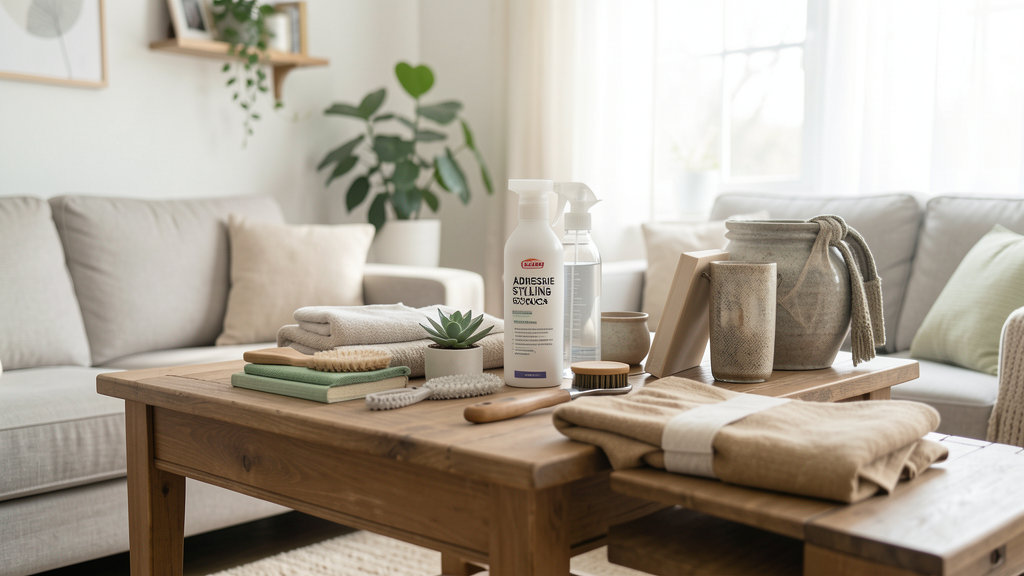
The anxiety of the move-out inspection is universal, even for those of us who treat rented apartments like our forever homes. In 2026, with rental prices climbing higher than ever, losing even a portion of a security deposit over a strip of torn drywall paper is financially painful. The packaging on hardware store staples often screams "damage-free" or "removable," yet anyone who has tried to rip a cheap hook off a wall after a humid summer knows those promises are conditional.
I have spent the last decade testing mounting solutions in everything from pre-war walk-ups with crumbling plaster to modern condos with fragile, contractor-grade flat paint. Not all adhesives are created equal, and more importantly, not all surfaces react to adhesives the same way. The difference between getting your full check back and a deduction letter often comes down to the specific chemical composition of the strip you choose and the age of the paint behind it.
Here is a breakdown of the only products I trust to hold your decor while letting your walls walk away unscathed.
1. The Heavy-Dweight Benchmark: 3M Command Outdoor Large Hooks
Most people grab the standard white indoor Command strips and call it a day. That is a mistake if you are hanging anything heavier than a framed photo, particularly in a kitchen or bathroom where humidity fluctuates. The "Outdoor" variant uses a different adhesive formulation that is far more water-resistant and significantly stronger.
I use these specifically for heavy items like full-length mirrors or large wall clocks. The removal rating here is nearly perfect, provided you follow the stretch-and-pull technique. Unlike standard strips that can snap if pulled at an awkward angle, the outdoor strips remain elastic. The trade-off is that they are wider and bulkier, hiding behind your object is sometimes tricky. However, for security on a heavy piece that could otherwise fall and crack tile, this is the safest bet.
2. The Textured Wall Solution: QuakeHold Museum Wax
Foam tape fails on textured walls because it only makes contact with the high points of the texture, creating a weak bond that inevitably requires scraping later. Museum wax is the unsung hero of rental styling for older buildings. It is a removable, blending compound that you roll into small balls and press between the object and the wall.
This product is strictly for lightweight items—plates, small framed canvases, or lightweight wall sculptures. I have used it successfully on stencil-style temporary molding projects where drilling was forbidden. The removal process is simply twisting the object gently. It leaves zero residue on plaster, though you may need to rub the wax off the back of your decor item with a citrus cleaner when you move.
3. The Invisible Fix: Scotch Restickable Dots
If you are hanging unframed posters, children's artwork, or light paper cutouts, skip the tape entirely. Scotch Restickable Dots are essentially tiny, clear gummy dots that offer a surprising amount of grip for paper goods.
I recommend these specifically for renters who change their minds often. Unlike mounting putty, which can dry out and become hard to remove, these dots stay pliable. They are rated highly for cleanliness on semi-gloss and satin paints. However, avoid them on flat or matte paint. The adhesive can sometimes be stronger than the cheap pigment used on some apartment walls, potentially leaving a greasy-looking spot that requires touch-up paint.
4. The "No-Drill" Curtain Hack: GorillaMount Heavy Duty Hooks
While standard Command strips work for curtains, the jarring motion of opening and closing drapes every day loosens them over time. I switched to GorillaMount’s heavy-duty removable hooks last year for a living room makeover. They use a high-tack acrylic adhesive that feels aggressive going on but releases cleanly with a heating tool.
This is essential if you are installing ceiling-mounted curtains without drilling into concrete. The hook design locks in, so the adhesive doesn't bear the shear force of the curtain rod sliding back and forth; it just bears the weight. Warning: do not use these on wallpaper. The removal adhesive is strong enough to pull the top layer of vinyl wallpaper right off the backing.
5. The Specialist for Panels: Scotch Restickable Strips for Posters
These are distinct from the mounting squares mentioned earlier. These are long, thin, flexible strips designed specifically for the edges of things like foam board or temporary wallpaper panels. When I am testing temporary wallpaper versus peel-and-stick options, these strips are my go-to for the temporary variety.
They are excellent for large, lightweight rigid surfaces. The unique advantage here is that they allow you to remove the item, straighten it, and re-stick it multiple times without losing their grip. On painted drywall, they remove cleanly 95% of the time. The failure mode is usually extreme cold—if your apartment drops below 50°F, these become brittle and might tear, so apply them in a temperate room.
6. The Risky but Strong: Nanopattern Gel Tape
You have likely seen videos of this clear, gel-like tape holding cinder blocks. It is impressive. As an editor, I have a love-hate relationship with this product. The adhesive is incredibly strong, and it works on almost any surface, including glass and tile.
I list it here because it can be removed cleanly, but it requires discipline. You cannot just rip it off. To get your deposit back after using this, you must soak the tape with soapy water or an alcohol-based solution and slowly peel it away. If you try to dry-peel it from a delicate wall, you will take a layer of drywall with you. Use this only for objects you plan to leave in place for the duration of your lease, such as securing a cable raceway or a heavy kitchen organizer.
Understanding Paint Age as a Variable
The product is only half the equation. The chemistry of your wall paint dictates the success rate of removal. If you are living in a unit built before 2010 with original paint, the paint has likely cured to a hardness that can withstand aggressive adhesives. However, in renovations completed in the last few years, painters often use "fast-dry" water-based paints. These can remain soft and porous for years.
Even the best removable hook can peel a strip of fresh paint if it is pulled downwards vertically. The mechanical leverage pulls the paint film away from the primer. Always pull the tab flush against the wall, stretching it horizontally. This shears the bond rather than pulling it.
Thermal Shock Matters More Than You Think
Most rental leases end in summer or early autumn. If you are moving out in July, your walls have been expanding and contracting with the heat. Adhesives become gummy in high heat. If you attempt to remove a hook that has been baking in direct sunlight for months, the adhesive will separate, leaving the gooey residue on the wall and the foam backing on your hand.
To counter this, use a hairdryer to gently heat the adhesive for 30 seconds before removal. This sounds counterintuitive, but it equalizes the temperature of the adhesive strip, allowing the elastic release agents in the tape to activate properly. If it is a cold winter move-out, warm the room up before you start patching holes. Cold, brittle paint chips easily; warm paint flexes.
Selecting the right adhesive is not just about hanging things; it is about respecting the physics of the materials you are temporarily borrowing. With the right hook and the correct removal technique, you can customize your space aggressively and still hand the keys back with confidence.
Read next

Peel-and-Stick vs. SmartPanels: The Adhesive Showdown for Rental Walls
Choosing the right wallpaper material in 2026 is less about pattern matching and more about adhesive chemistry to ensure your security deposit remains intact.
By Camila Souza · 8 min read

The Floating Canopy: Hanging Curtains from Concrete Without a Single Drill Bit
Create a dreamy floor-to-ceiling canopy effect on unforgiving concrete ceilings using only tension rods and industrial-strength adhesive systems.
By Camila Souza · 8 min read