Tiny Entryway Drop Zone Ideas That Stay Clutter‑Free
Want a clutter‑free entry that works in real life, protects your rental deposit, and costs under $120? Here is a practical, step‑by‑step plan to map your door swing and traffic paths, choose shallow shoe storage, add damage‑free hooks plus a mail and key catchall, and set up a five‑minute nightly reset that actually sticks. This guide keeps style clean and warm, favors reversible solutions, and focuses on what truly works in small spaces.
Map the Door Swing and Traffic Paths First
Before you buy anything, measure and watch how the entry behaves. In a tiny footprint, one poorly placed bench or coat hook can block the door or create a tripping hazard. Mapping movement is your foundation.
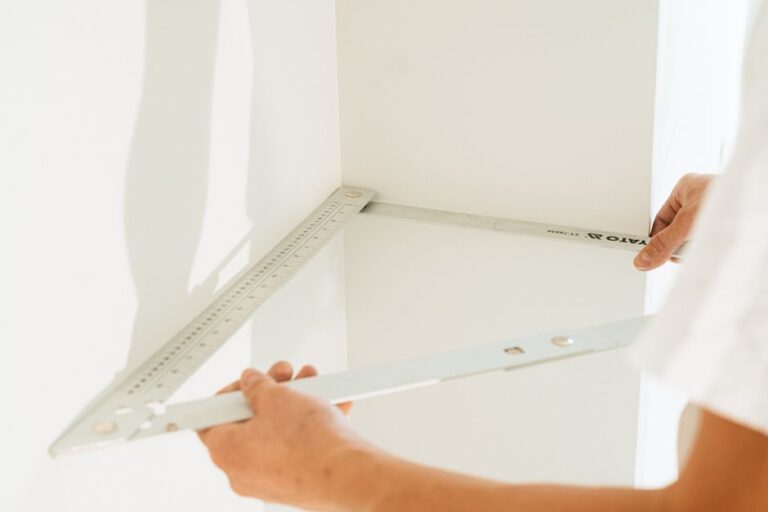
How to measure without guessing
- Open the door fully and measure the radius it sweeps. Note any baseboards or radiators that change the arc.
- Mark the clear path from door to the next destination: living room, kitchen, or hallway. You need at least one unobstructed strip 24 inches wide.
- Identify pinch points: door latch side, corners, and any spot where two people often pass.
- Note light switches and outlets so you do not block them with storage.
In my first rented apartment, drilling was off limits and the door barely cleared a tiny wall. Mapping those inches first saved me from buying a too‑deep console that would have clipped the handle every time.
Placement rules that keep a small entry calm
- Put vertical storage (hooks, wall files) behind the door or on the hinge wall, where depth reads visually lighter.
- Keep anything deeper than 8–9 inches off the latch wall so hands and bags move freely.
- Prefer pieces with rounded fronts and open bases so sightlines and floor space feel larger.
Choose Shallow Shoe Storage That Does Not Block the Door
Shoes create 80% of visible entry mess. Solve them first with shallow options that respect your mapped clearances and the door swing.
Space‑smart shoe storage options
- Slim flip‑down shoe cabinets, 6–9 inches deep, for 6–12 pairs depending on size.
- Narrow stacked racks under 8 inches deep tucked on the hinge side of the door.
- Low profile trays for wet weather, placed parallel to the wall, not perpendicular to the path.
- Over‑the‑door multipocket organizers for flats, slippers, or pet gear, when floor space is zero.
If you are considering back‑of‑door solutions, see the complete guide to over‑the‑door storage for measuring clearances and avoiding rattles.
How to size the right capacity
- Count the maximum number of pairs that live by the door on the worst day, not the average day.
- Cap capacity to that number plus one. Extra pairs should live in the closet.
- Choose closed fronts if visual calm is a priority, open racks if quick drying is essential.
Add Damage‑Free Hooks and a Mail/Key Catchall
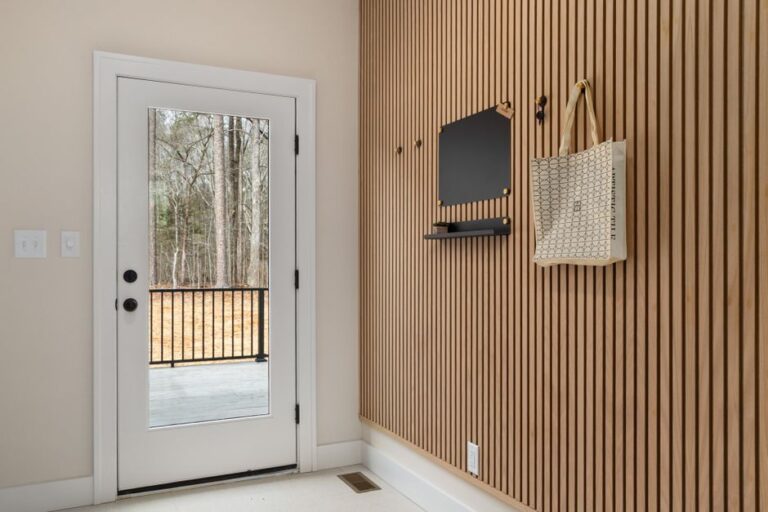
Coats, backpacks, leashes, keys, and envelopes need defined parking spots. Renter‑safe hardware keeps walls intact and workflows smooth.
Setting up renter‑friendly hooks that last
- Use adhesive hooks rated for the real weight of wet coats and bags. Check the stated weight rating and pick a margin of safety.
- Degrease paint with mild cleaner, dry fully, and follow the adhesive cure time. Skipping prep shortens lifespan.
- Mount hooks at staggered heights: 68–72 inches for adults, 42–48 inches for kids.
- Place a dedicated hook for your daily bag to prevent chair‑back clutter elsewhere.
Years ago I rushed an adhesive job and ignored cure time, and the hook slid off a week later. Proper prep is slower, but cheaper than replacing finishes or rehanging hardware.
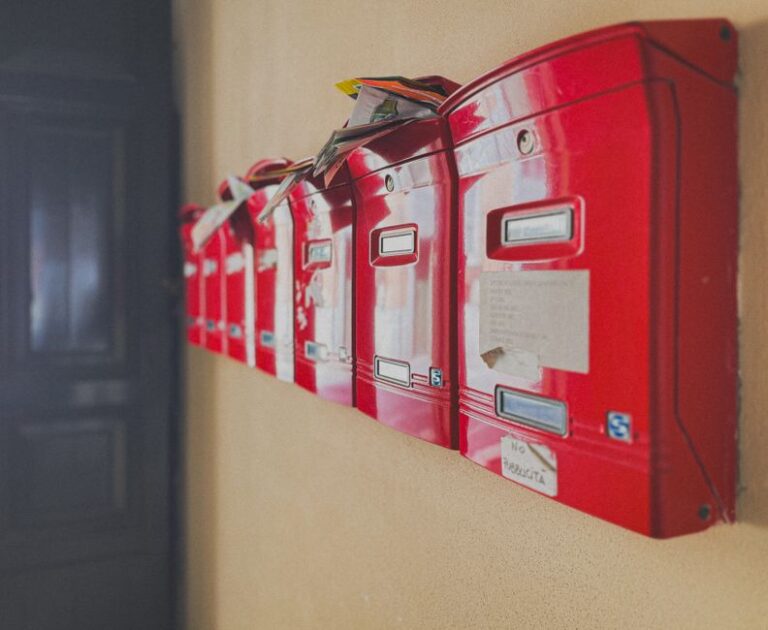
Create a small mail and key command area
- Install a slim wall file or a single letter tray for incoming mail only. Outgoing mail can live in a separate pocket or pouch.
- Add a shallow dish for keys and earbuds. Oval or rectangular shapes fit tight ledges better than round bowls.
- Label two categories at most: “To handle” and “To file.” More categories equal more friction.
- If you cannot mount anything, use a narrow console or window ledge organizer with non‑slip pads.
For a deeper walkthrough that bundles hidden shoe storage and rental‑safe mounting, read our designer‑looking entryway drop zone for under $75.
Design a 5‑Minute Nightly Reset That Sticks
Organization only works if it is easy to maintain. Build a microscopic routine that clears surfaces fast and prevents the Saturday cleanup spiral.
Micro‑tasks to reset the zone in five minutes
- Minute 1: Return all shoes to the shallow rack or cabinet. Cap to the set capacity.
- Minute 2: Hang coats and bags on their dedicated hooks. Off‑season items go to the closet.
- Minute 3: Sort mail into “To handle” or “To file.” Recycle obvious junk immediately.
- Minute 4: Restock the catchall with keys, transit cards, and earbuds. Remove random pocket items.
- Minute 5: Quick wipe of the top surface and tray, shake out the doormat, and empty the tiny bin if you use one.
Make it visible. A small checklist taped inside the cabinet door or on the back of the mail file helps the whole household follow the same steps.
Rules that prevent re‑clutter
- One hook per person for daily use. Overflow returns to the closet, not a second entry hook.
- Two pairs of shoes per person maximum at the door, plus one guest pair space.
- Mail lives in the file for no more than one week. Add a weekly 10‑minute “paper triage.”
- Leave 25% of surfaces empty so drop‑offs have breathing room.
Stay Under $120 Without Sacrificing Style
Under $120 is realistic if you control depth and pick modular pieces that work together. The trick is choosing the right materials and not overbuying organizers before measuring.
Smart budget allocation for a tiny entry
- Main storage: one shallow shoe rack or flip‑down cabinet often takes the largest slice. Choose a finish that matches your floor or trim to look intentional.
- Verticals: four to six adhesive hooks sized to your heaviest items. Mix one heavy‑duty for bags with lighter ones for scarves and caps.
- Catchall: one slim wall file or letter tray plus a small dish. If you already own a ceramic bowl, repurpose it.
- Surface saver: non‑slip pads and a microfiber cloth for fast wipe‑downs. Small costs, big longevity.
A sample allocation might reserve roughly half for the main shoe piece, a quarter for hooks, and the rest for the mail/key setup and small supplies. Adjust to what you already own to stay under budget.
Cost‑saving moves that still look elevated
- Choose matte or satin finishes. They hide fingerprints and feel more premium than high‑gloss plastics.
- Match metals across hooks and key dish for a quiet, cohesive look.
- Use furniture sliders or felt dots under any freestanding piece to protect floors and make cleaning easy.
- Shop narrow bath storage and media accessories for slim profiles that double as entry consoles.
If you need a compact, no‑drill shelving solution to pair with your entry, a tension pole can create vertical capacity without wall damage. Explore the renter‑safe tension pole shelving guide for measurement tips and weight considerations.
Layout Templates for Real‑World Tiny Entries
Every entry is different, but these starter layouts keep paths clear and habits easy.
Studio apartment with a door that opens onto a narrow hall
- Hinge‑side wall: two staggered hooks and a slim vertical mail file.
- Opposite wall: 8‑inch‑deep shoe cabinet centered away from light switches.
- Back of door: over‑door rack for hats, umbrellas, and a foldable tote.
Small entry nook with a shallow recess
- Inside recess: low tray plus two‑tier narrow rack.
- Recess side wall: trio of adhesive hooks and a key dish on a small ledge.
- Outer wall: frame a mirror above eye level to bounce light without adding depth.
Open‑plan living room with no walls near the door
- Freestanding narrow console with a lip to hold a key tray.
- Weighted coat stand with small footprint placed outside the door swing radius.
- Mat zone layered: outdoor scraper plus indoor absorbent mat to protect flooring.
If you want your shallow storage to look custom in an open plan, our guide on making budget cube shelves look built‑in can help adapt finishes and alignment.
Finishes, Lighting, and Visual Calm
Style is not an afterthought. A tiny entry reads as soon as the door opens, so finishes must support calm and durability.
Finishes that age well
- Wood tones that echo your floor make pieces feel integrated and less bulky.
- Neutral textiles for mats are easier to keep visually tidy than busy patterns.
- If you use clear organizers, limit them. Outside very standardized areas, clear bins can display visual noise; choose opaque or woven for better containment.
Lighting for function and warmth
- Swap to a warm‑white bulb in the entry fixture for a welcoming tone that still shows dirt on the mat.
- Battery motion puck lights inside cabinets help at night without wiring.
- A small mirror opposite a light source brightens the zone and doubles as an out‑the‑door check.
Mistakes to Avoid in a Tiny Entryway Drop Zone
Most frustration comes from buying before measuring or skipping surface prep. Avoid these traps for a cleaner, longer‑lasting setup.
- Over‑deep storage that nicks the door or steals walkway space.
- Too many categories in mail sorting, which invites procrastination.
- Weak adhesive hooks installed on dusty, glossy, or damp paint.
- Open shoe racks next to fabric curtains or upholstery, which collect dust.
- One giant bench that becomes a catch‑all instead of defined stations.
When you are ready to style beyond the basics without drilling, this step‑by‑step on a rental‑safe closet system without drilling shows how to plan capacity and choose slim hardware, which translates well to small entries.
Frequently Asked Questions
How deep should shoe storage be in a tiny entry?
Stay under 9 inches total depth if possible. Most adult shoes fit when angled slightly. Measure your largest pair and the door swing radius to confirm clearance before you buy.
Will adhesive hooks hold heavy winter coats?
Yes, if you pick hooks with weight ratings that meet or exceed the real load and follow surface prep and cure times precisely. For very heavy loads, split weight across two hooks or use a freestanding coat stand.
What is the fastest way to deal with daily mail pileups?
Limit to two categories: “To handle” and “To file.” Recycle junk at the door. Add a weekly 10‑minute calendar reminder to clear the file so papers never exceed a seven‑day window.
How do I keep the entry clutter‑free with kids or roommates?
Give each person one hook and space for two pairs of shoes. Use labeled, opaque baskets for small items, and post a simple five‑step nightly reset list. Consistent, tiny routines beat big cleanups.
Can I set this up for under $120 without it looking cheap?
Yes. Allocate most of your budget to a shallow shoe piece, pick cohesive metal finishes for hooks and the key dish, and reuse bowls or trays you already own. Favor matte surfaces and tight color coordination for an elevated look on a budget.
Relacionados
How to Set Up a Tiny Entryway Drop Zone That Stays Clutter-Free: map door swing and traffic paths, choose shallow shoe storage, add damage-free hooks and a mail/key catchall, and create a 5‑minute nightly reset under $120
How to Build a Rental-Safe Closet System Without Drilling: measure double-hang vs long-hang zones, choose tension rods and freestanding towers, add slim velvet hangers and over-door organizers for under $160
Complete guide to renter-safe tension pole shelving: measure ceiling height accurately, verify weight ratings, map stud-free layouts, and remove cleanly for under $150
How to Create a Designer-Looking Entryway Drop Zone for Under $75: Hidden Shoe Storage, Mail Sorting, and Rental-Safe Mounting