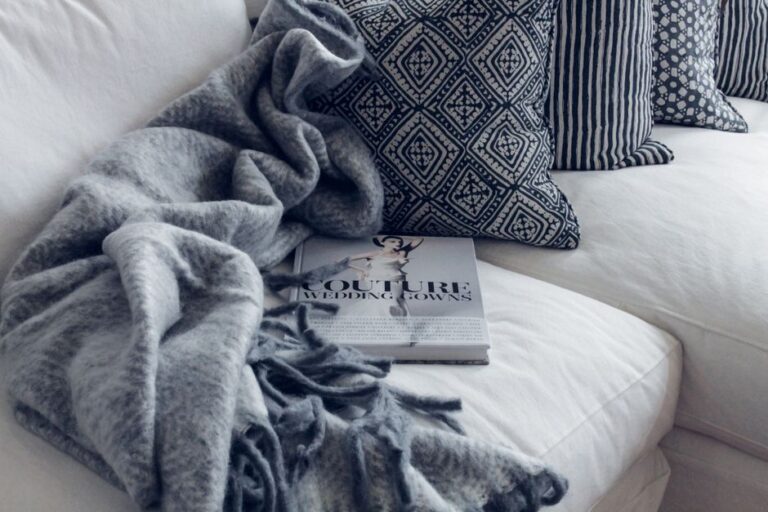
Turn a secondhand sofa into a designer-looking centerpiece with practical fabric durability checks, simple cushion reshaping, and a smart $50 accessory plan that prioritizes texture, proportion, and finish. This guide keeps everything renter-friendly and reversible, so you elevate style without risking deposits or overspending.
Thrifted Sofa Inspection Checklist: Structure, Smells, and Safety
Before styling, confirm the sofa is cleanable, structurally sound, and worth the effort. Look for quality, not just looks, because good bones plus good fabric equals a high-end result on a budget.
- Frame and joints: Lift one front corner 5–8 cm. If the other front leg rises quickly, the frame is likely sturdy. If not, suspect loose joints.
- Seat support: Sit near each arm and center. Excessive sagging suggests tired webbing or springs. Gentle creaks are normal; loud pops are red flags.
- Odor check: Sniff seams and under cushions. A stale smell often clears with proper cleaning; a sharp mildew odor can indicate deeper issues.
- Pest scan: Inspect piping, zippers, and folds with a flashlight. Look for tiny dark specks or pale husks. If you find signs, skip it or encase and treat according to local guidelines before bringing it home.
- Label clues: Look for care tags, fabric content, and any abrasion ratings. Common terms you might see are Martindale or Wyzenbeek, both standard abrasion tests in upholstery.
Fabric Durability Tests at Home: What Survives Real-Life Use
High-end sofas often owe their polish to fabrics that clean well, resist pilling, and keep color. You can approximate durability without lab equipment using simple, non-destructive checks.
Quick abrasion and pilling check
- Cloth rub test: Wrap a clean white cotton cloth around your fingers and rub a hidden area 20–30 times with moderate pressure. Excess lint, fuzz, or transferred dye suggests potential pilling or poor colorfastness.
- Seam glide: Slide your nail along interior seams. If threads lift easily or gaps open with gentle pressure, the fabric or stitching may not handle daily wear.
Colorfastness and bleed test
- Spot damp rub: Lightly dampen a corner of a white cloth and rub a concealed spot. If color transfers to the cloth, be cautious with wet cleaning and light-colored throw pillows.
- Sun resilience: Place a spare cushion or removable cover near a window for a day and compare. Noticeable fade quickly can be an issue in bright rooms.
Stretch recovery test
- Pinch and release: Gently pinch and pull the fabric on a cushion face, then release. If it bags out and stays wrinkled, expect a more relaxed, lived-in look rather than crisp lines. If you want a tailored “designer” feel, tighter weaves with some recovery perform better.
Understanding abrasion ratings (if labeled)
- Martindale: Common in many countries; higher cycles generally indicate stronger abrasion resistance. For busy living rooms, look for mid-to-high ratings when available.
- Wyzenbeek: Common in North America; as with Martindale, higher double rubs suggest sturdier fabric. Labels vary by manufacturer, so compare within similar product types.
If your sofa passes the basic checks, it is a strong candidate for a high-end refresh without reupholstery.
Cushion Reshaping Tricks: Get Crisp, Plump, and Tailored Lines
Designer sofas look intentional because cushions sit neatly, edges are defined, and seats do not pancake. You can fake that finish with strategic fluffing, restuffing, and a few low-cost materials.
Step-by-step cushion revival
- Air out and steam: Remove covers if possible. Let inserts breathe outdoors in dry shade. Lightly steam the fabric surface to relax wrinkles and revive loft. Avoid soaking foam; quick passes are enough.
- Flip and rotate: Swap left-right seat cushions and flip front-back if construction allows. This evens wear and restores symmetry.
- Karate-chop wisely: The sculpted “chop” works best on feather or feather-blend throw pillows. For foam-only inserts, shape by smoothing and tucking the corners rather than chopping, which can read messy.
Inexpensive restuffing for a designer silhouette
- Add a batting wrap: Wrap tired foam cores with 1–2 layers of polyester batting to restore fullness and soften edges. Secure with light spray adhesive rated for fabric or with minimal painter’s tape on the batting seam to keep it in place inside the cover.
- Top off with poly-fil: For feather or loose-fill back cushions, open the inner liner zipper and add small amounts of poly-fil around the perimeter. Concentrate on top corners to create that tailored shoulder line.
- Use a cushion liner: Slide vacuum-seal storage bags as liners around loose fill, then inflate just enough to hold structure before sealing. This trick can keep shape without adding much weight and remains fully reversible.
Smoothing covers for sharp edges
- Fold and tuck: With covers on, pull excess fabric toward the back seam and tuck gently to eliminate ripples. Binder clips hidden at the back under the cushion can temporarily hold the fit for photos or hosting.
- Iron with a press cloth: For removable covers, press with a cotton cloth between the iron and fabric on the appropriate heat setting. Always test on an inside hem first.
Deep-Cleaning a Thrifted Sofa Without Ruining It
Clean fabric carefully so you do not set stains or cause water rings. Follow care codes on labels before choosing a method.
Read the upholstery code
- W: Water-based cleaners are generally safe. Spot test first.
- S: Solvent-based cleaners only. Ventilate well and avoid open flames.
- WS: Water or solvent cleaners are acceptable; pick the method that lifts the specific stain type.
- X: Vacuum only. Call a professional cleaner if stains persist.
Low-risk cleaning sequence
- Dry vacuum: Use a brush attachment to lift dust before introducing moisture.
- Fabric shaver: Carefully remove pills on woven covers to instantly elevate the look. Work slowly to avoid snags.
- Targeted spot cleaning: Use a mild upholstery cleaner suitable for the code. Blot; do not rub. Feather the edges with a slightly damp cloth to prevent rings.
- Neutralize lingering odors: Sprinkle baking soda, wait 30–60 minutes, then vacuum. Repeat if needed.
In my first rented place I had strict rules about what I could alter, so reversible cleaning and finish upgrades became my default. The same mindset protects your deposit and your time.
Style Strategy: Designer Look on a Budget Using Texture, Scale, and Color Discipline
A designer sofa vignette relies on proportional pillows, layered textures, and cohesive color. Less clutter, more intention.
Pillow combinations that read high-end
- Scale matters: On a standard 3-seater, use two 22-inch pillows on the ends plus one 20-inch or a lumbar in the center. Larger forms instantly feel bespoke.
- Mix textures, not chaos: Combine one subtly patterned weave, one nubby or bouclé texture, and one smooth solid. Keep the palette tight to two or three related tones.
- Upgrade inserts: If you have zippered covers, use down-alternative or feather-blend inserts 1–2 inches larger than the cover for a full look.
Throws and layering for quiet luxury
- Drape with intention: Fold a throw in thirds and place it over an arm or across the seat’s lower third. Clean folds beat messy scrunches.
- Echo materials: If your rug is flatweave, choose a slightly chunkier throw to balance. If the sofa fabric is highly textured, pick a smoother throw for contrast.
Visual editing and symmetry
- Symmetry calms: Mirror end pillows and vary the center. This anchors the sofa and looks polished in photos and in person.
- Remove extras: Too many small pillows scream “filler.” Keep two to four strong pieces max on a standard sofa.
The $50 Accessory Plan: High-Impact, Low-Spend Upgrades
Fifty dollars goes further if you focus on upgrades that read as “finish” rather than clutter. Prices vary by city and season, so treat the plan as a target allocation you can adapt with thrifting and sales.
Plan A: Texture-first essentials
- Two secondhand pillow covers in natural textures: Linen-look, cotton canvas, or tweed. Aim for neutral colors that layer year-round.
- One cozy throw: Look for cotton or a soft acrylic blend in a solid or faint herringbone.
- Fabric shaver or sweater comb: A basic unit instantly defuzzes the sofa surface and pillows.
This trio typically fits near the $50 mark when you combine thrift finds with occasional discount-store buys. If you already own a fabric shaver, redirect that portion to a higher-quality throw.
Plan B: Shape and sheen for a tailored look
- One oversized lumbar pillow cover: Around 12×24 or 14×36 inches to clean up the center line.
- Upgraded insert via thrifted duvet: Use a clean, laundered down-alternative duvet as inexpensive stuffing for the lumbar.
- Decorative trim or fringe: Add a subtle fringe or piping to one existing pillow cover using fabric glue designed for textiles.
Simple trims and a single oversized lumbar can make even a basic sofa feel custom without exceeding a modest budget.
Plan C: Maintenance equals luxury
- Upholstery-safe cleaner: A small bottle matched to your fabric code for quick spot work.
- Furniture sliders: Glide the sofa to vacuum underneath regularly and keep floors scuff-free in rentals.
- Neutral pillowcases as covers: Thrift cotton or linen pillowcases and use them as envelope-style covers in a pinch.
Polish comes from upkeep as much as from accessories. A consistently clean, lint-free surface reads premium even with minimal decor.
Mini-Fixes That Instantly Elevate a Secondhand Sofa
These quick wins sharpen the overall impression without permanent changes.
- Center the rug: Front legs on the rug unify the seating area and visually “ground” the sofa.
- Add a slim tray: A small tray on the coffee table corrals remotes and candles, creating order that flatters the sofa.
- Correct the lighting: A warm bulb in a floor lamp beside the sofa adds depth and makes textures pop.
- Align art height: Hang or lean art so the center is near eye level. If drilling is not allowed, lean framed art on a console behind the sofa.
Common Mistakes to Avoid When Styling a Thrifted Sofa
Skip the pitfalls that make a budget sofa look messy or temporary.
- Buying before measuring: Measure seat width and back height so pillows and throws fit proportionally.
- Skipping prep: Styling over lint, pills, and wrinkles never looks luxe. Five minutes with a vacuum and shaver pays off.
- Over-patterning: Multiple bold prints fight for attention. Choose one statement and let the rest support it.
- Ignoring function: If pillows slide off every time you sit, adjust insert size or fabric texture so the look survives daily use.
When to Reupholster vs. When to Pass
Not every sofa is a candidate for a budget refresh. Decide with both cost and practicality in mind.
- Reupholster if: The frame is solid wood, the style is timeless, and cushions are standard sizes. You will get longevity and a custom look, though costs vary widely by region and fabric.
- Pass if: There are strong mildew odors, serious frame damage, or non-removable, brittle covers that crack. Your time and money are better spent finding a sturdier piece.
I once rushed a paint job on a small piece and skipped prep, and it failed fast. The same principle applies to sofas: do the boring steps well, or you will keep redoing the fun ones.
Putting It All Together: A Renter-Friendly, Designer Finish
Test the fabric, refresh the cushions, edit the accessories, and maintain the surface. That sequence creates the “quiet luxury” effect without new upholstery or permanent alterations, all while staying friendly to lease rules and tight budgets.
FAQ: Thrifted Sofa Styling and Care
How do I remove a thrift-store smell from a sofa safely?
Vacuum thoroughly, sprinkle baking soda, wait up to an hour, and vacuum again. Air it out in a dry, ventilated space. For removable covers with a W or WS code, launder or gently clean per instructions. Persistent mildew smells are a warning sign and may require professional cleaning.
What size pillows make a standard sofa look designer?
Use 22-inch pillows on the ends with 20-inch or an oversized lumbar at the center. Slightly larger inserts than covers create a fuller, custom look.
Can I reshape flattened seat cushions without replacing foam?
Yes. Wrap the existing foam with polyester batting, secure lightly, and add a thin layer of poly-fil at corners. Rotate cushions and steam covers lightly for a smoother face.
How can I avoid pilling on woven upholstery?
Reduce friction by using smoother throw fabrics, vacuum regularly, and remove early pills with a fabric shaver or sweater comb. Frequent gentle maintenance prevents heavy buildup.
Is a $50 accessory upgrade realistic?
It can be, especially if you source pillow covers and throws secondhand or during sales. Focus on one or two impactful textures and a maintenance tool like a fabric shaver to maximize the visual upgrade within the budget.