Painting Laminate Furniture Without Sanding: The Complete Budget Guide
Learn how to paint laminate furniture without sanding using the right bonding primer, simple adhesion tests, and chip-resistant topcoats that can fit a sub-$60 budget. This step-by-step guide covers surface prep that actually works, the differences between primer types, realistic drying and curing timelines, and money-saving tactics that do not compromise durability.
Why Laminate Is Tricky and How to Prep Without Sanding
Laminate is a plastic-like surface fused to a substrate such as particleboard or MDF. It is slick, non-porous and naturally resists paint. That is why traditional sanding is recommended in many tutorials.
If you cannot or do not want to sand, the workaround is careful cleaning, chemical deglossing if needed, and a true bonding primer built for glossy, hard-to-stick surfaces. Skipping any of these steps is what causes flaking, peeling and tacky finishes.
I once tried to shortcut prep with a random spray paint on a glossy surface. It stayed sticky and peeled on first use. Since then, I never skip proper degreasing, the right primer and cure time.
Essential No-Sand Surface Prep
- Degrease thoroughly with a surfactant cleaner. Rinse with clean water and let dry completely.
- Remove silicone residue, wax, and polish. These contaminate the surface and block adhesion.
- Use a liquid deglosser only if the laminate is extremely slick, following ventilation and glove safety.
- Fill chips or edges with wood filler where the substrate shows. Spot-prime repairs after they dry.
- Vacuum and tack-cloth dust before priming. Dust under primer creates weak points that chip.
Best Bonding Primers for Laminate Furniture
The primer is the anchor coat. A standard wall primer will not hold on laminate. Look for language like “bonding primer,” “sticks to glossy surfaces,” or “adheres to tile, glass, metal, PVC, and laminate.”
Primer Types and When to Use Each
- Water-based bonding acrylic/urethane primers: Low odor, soap-and-water cleanup, formulated to grip slick surfaces. Great for most indoor furniture projects where you want minimal fumes and fast recoat times.
- Shellac-based primers: Excellent adhesion and stain blocking. They dry fast and lay thin, which helps detail work. Use when you need maximum bite on a stubborn laminate or to block tannin or odor in patched areas. Ventilation is important.
- Waterborne alkyd-bonding primers: Hybrid technology that combines adhesion and hardness with water cleanup. Good option when you want a harder film and still keep cleanup simple.
The key is not the brand name but the label claims and technical sheet. Confirm it lists laminate or glossy substrates among approved surfaces and follow stated dry and recoat times.
How Many Coats of Primer
- One solid, even coat is usually enough with a true bonding primer if coverage is uniform.
- Use two thin coats if the surface shows glossy “holidays,” stains, or you see beading that suggests contamination.
- Allow full dry time between coats. Do not rush into paint; primer must firm up to do its job.
Adhesion Tests Before You Commit
An adhesion test avoids a full failure later. Test a small, hidden area first after primer dries to the time stated on the can.
Simple Tape Adhesion Test for Laminate
- Prime a 5 cm square in a hidden spot and let it dry per instructions.
- Make light crosshatch cuts with a utility blade through the primer to the laminate, creating tiny squares.
- Apply high-tack painter’s tape over the test area. Burnish firmly. Pull off at a sharp angle.
- Pass: Little to no flaking. Proceed to paint. Fail: Clean, degloss again, or switch primer type.
Rubbing Test for Early Failure Signs
- After the primer is dry, rub with a clean cloth. If it polishes off easily, it needs more cure time or a stronger primer.
- If edges lift with a fingernail, you may still have oil, silicone or furniture polish contamination. Degrease again and re-prime.
Paint and Chip-Resistant Topcoats Under $60
Durability comes from the primer-plus-topcoat system, not from a single miracle product. You can often stay under $60 by buying quart sizes, using coupons, or choosing store-brand pro lines. Always check local pricing, because costs vary by region and retailer.
Best Paint Sheens for Laminate Furniture
- Satin: The sweet spot for furniture. It hides minor texture and still wipes clean.
- Semi-gloss: Harder and more wipeable but highlights imperfections. Great for desks, side tables and cabinets.
- Matte/flat: Looks soft but scuffs faster. If you love the look, plan to protect with a clear topcoat.
Chip-Resistant Topcoat Options That Play Well With Bonding Primers
- Water-based enamel or urethane-fortified acrylic: Levels well, cures harder than standard latex and resists blocking. Ideal for frequently touched items.
- Waterborne alkyd enamel: Hybrid technology that dries to a harder film with lower odor than solvent alkyd. Good for tabletops and drawer fronts.
- Clear water-based polyurethane or polycrylic: Use when you want to keep a matte paint but add protection. Choose non-yellowing formulas for light colors.
To keep total spend in check, pick one paint system instead of stacking multiple specialty coatings. One quart of bonding primer plus one quart of enamel usually covers a typical dresser or two nightstands, with leftover for touch-ups.
Budget Strategy to Stay Under $60
- Buy quarts, not gallons. Furniture rarely needs more than a quart per layer.
- Choose store-brand professional lines that state “bonding” or “cabinet/enamel.” These are often priced lower than flagship brands.
- Time purchases to sales or use loyalty coupons. Many paint stores run monthly promotions.
- Use existing tools: a high-density foam roller and a small angled brush are often enough.
- Skip unnecessary products. With a strong bonding primer and quality enamel, an extra clear coat is optional for low-wear pieces.
Step-by-Step: How to Paint Laminate Furniture Without Sanding
Materials and Tools
- Degreasing cleaner, clean water, lint-free rags
- Liquid deglosser (optional, for very slick laminate)
- Bonding primer suitable for glossy surfaces
- Water-based enamel or waterborne alkyd paint
- Optional water-based clear topcoat for matte looks or high-wear areas
- High-density foam roller, 5–10 cm angled brush
- Painter’s tape, drop cloths, gloves, mask and ventilation
Process
- 1. Clean and decontaminate: Wash, rinse, and dry. Remove hardware and label screws to avoid confusion at reassembly.
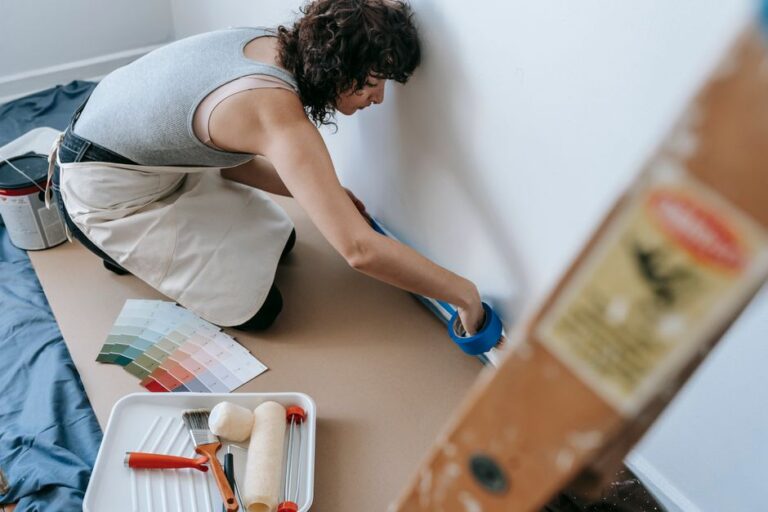
- 2. Mask and protect: Tape off edges and cover floors. Remove drawers and doors for easier access.
- 3. Repair and degloss: Fill chips, sand only the filler flush if needed, then wipe. Use liquid deglosser on glossy faces if necessary and let flash off fully.
- 4. Prime: Roll thin, even coats. Tip off with a brush to remove bubbles. Watch for fisheyes that signal contamination; stop and clean if you see them.
- 5. Adhesion test: After the primer dries per label, perform the tape test in a hidden spot. Proceed only if it passes.
- 6. Paint: Apply 2 thin coats of enamel, allowing full dry time between coats. Keep edges light to avoid drips on laminate seams.
- 7. Optional topcoat: For tabletops or kids’ rooms, add 1–2 coats of clear water-based polyurethane once the color coat is dry.
- 8. Cure: Dry to touch is not cured. Avoid heavy use for several days and treat gently for a couple of weeks while the film hardens.
- 9. Reassemble and protect: Add felt pads under items, soft-close bumpers on doors and organize contents to reduce surface wear.
Drying, Curing and Realistic Expectations
Most bonding primers dry to recoat within hours, but full cure and hardness develop over days. Water-based enamels also need time to reach block resistance, especially on doors and drawers.
Place spacers under freshly painted doors and keep drawers slightly ajar during cure to avoid sticking. Gentle use during the first weeks helps prevent imprints and chips.
Troubleshooting Common Problems
Peeling or Flaking
- Cause: Contamination or wrong primer. Fix by cleaning, deglossing, spot-priming, and retesting adhesion.
- Prevention: Always do a tape test on a hidden area before painting the whole piece.
Fisheyes or Beading
- Cause: Residual oils or silicone. Stop, wipe with a suitable cleaner, allow to dry, and re-prime.
- Prevention: Avoid furniture polishes and conditioners during prep week; they migrate into pores.
Tacky Finish or Blocking Drawers
- Cause: Heavy coats or insufficient cure time. Allow more time and thinner coats.
- Prevention: Roll thin, respect recoat windows, and maintain airflow and moderate humidity.
Edge Lift on Laminate Seams
- Cause: Paint building up on edges that flex. Feather coats and avoid pooling along seams.
- Prevention: Light passes, then tip off with a brush to level.
Safety and Practical Constraints
Ventilate well, protect skin and eyes, and keep solvents and deglossers away from open flames. Test compatibility on a small area before full application to avoid reactions between coats.
If your furniture lives in a rental with deposit rules, favor reversible add-ons like new hardware and felt pads. Painting is fine if allowed, but avoid overspray and protect floors rigorously.
When to Add Clear Topcoat Versus Rely on Enamel Alone
Choose enamel-only for most dressers, side tables and shelves to save money and time. Add a water-based clear coat on desktops, dining pieces, or matte finishes you want to protect from scuffs.
Use non-yellowing clears for whites and pastels. For dark colors, test first; some clears can add haze or change sheen.
FAQ: Painting Laminate Furniture Without Sanding
Do I really not need to sand laminate before painting?
You can skip sanding if you clean thoroughly and use a true bonding primer rated for glossy, non-porous surfaces. Always run a small adhesion test after the primer dries to confirm it grips.
Which is better for laminate: shellac-based or water-based bonding primer?
Both can work. Water-based bonding primers are lower odor and easier to clean up, while shellac-based options provide excellent adhesion and stain blocking. Choose based on ventilation, sensitivity to odors, and whether you need stain block.
How do I keep the total cost under $60?
Buy quarts, not gallons, choose a store-brand bonding primer and enamel, and watch for sales or coupons. One quart of each often covers a typical furniture piece. Prices vary by region, so confirm locally.
Why does my paint feel dry but still chip or stick weeks later?
Thick coats or high humidity slow curing. Keep coats thin, allow full dry times, and provide airflow. Avoid stacking items or closing drawers tightly during the first weeks of cure.
Should I seal painted laminate with a clear coat?
It is optional. Quality water-based enamel is often enough for low- to medium-wear items. Add a clear, non-yellowing water-based topcoat for tabletops, children’s furniture, or matte finishes you want to protect from scuffs.