
The One-Shelf Reset for Rooms That Feel Almost Finished
A practical guide to use one visible shelf as a diagnostic tool before buying new decor with concrete steps, review signals, and original editorial images.

By Elena Morris · June 22, 2026 · 4 min read

A room can look close to finished and still feel restless. The fastest test I use is not a shopping list; it is one shelf, cleared, rebuilt, and watched for a week.
The working idea is use one visible shelf as a diagnostic tool before buying new decor in an ordinary routine, not a polished system that only works in a staged photo. The success measure is simple: the next decision should become easier, safer, and less improvised.
Clear the shelf without clearing the room
Choose a shelf that sits in the normal sightline from the doorway, not the prettiest corner. Remove every object, wipe the surface, and put back only five things that explain how the room is used: one vertical stack, one low object, one personal piece, one useful object, and one small source of warmth.
This small reset works because the shelf reflects habits. If receipts, cables, keys, or half-read magazines keep returning, the room does not need another accent piece; it needs a visible landing rule.
Before moving on, write one observable signal: what you will check, how long you will spend, and what result is good enough to stop adjusting out of anxiety.
Make one object do the visual work

Pick a single anchor: a matte lamp, a framed photo, a stoneware bowl, or a book stack with a quiet spine color. Let that object set the height and repeat one material elsewhere in the room.
In my own tests, a shelf starts feeling calmer when the anchor is about one third of the shelf height. Smaller objects can stay, but they need to support the anchor instead of competing with it.
Run the Thursday evening test
The shelf is not approved on the day you style it. Check it on a Thursday evening after bags, cups, mail, or chargers have passed through the room. If the arrangement still reads from two meters away, it is durable.
If it collapses, do not add more trays. Remove one category and move the returning clutter to a closed drawer, a basket by the entry, or a charging station that belongs somewhere else.
A useful practical limit is to review once, act once, and leave a short note for next time. Extra loops usually create noise, not clarity.
A short reset card
Use this card: five objects maximum, two repeated materials, one useful container, one personal item, and one empty patch of surface. Empty space is not wasted; it is what lets the useful objects look intentional.
For nearby decisions, connect this shelf test with your room color rhythm and small-space storage. The shelf is the first witness that the room is trying to do too much.
Related reading
For connected decisions, continue with How to Make Open Storage Look Orderly, Hide Visual Clutter Without Hiding Everything and Create a Drop Zone That Stays Attractive.
Practical close
The One-Shelf Reset for Rooms That Feel Almost Finished works best when the solution stays small and checkable. If the method survives an ordinary week, you have a base; if it does not, adjust one variable and test again without turning the miss into a character flaw.
Application note
In a real household or small-team test, the useful move was writing the before and after in one sentence. For the one-shelf reset for rooms that feel almost finished, that sentence keeps the review grounded: what changed, what it cost, and what would be repeated tomorrow.
A small case to calibrate the idea
Picture an ordinary weekday, not a styled project day: limited time, a few interruptions, and enough fatigue to make complicated systems collapse. In that setting, the one-shelf reset for rooms that feel almost finished has to work with a short window, a visible cue, and one decision that can be checked later.
Keep the first test deliberately small. Apply it to one shelf, one meal, one app, one draft, one skywatching window, or one workflow depending on the topic. Then write three lines: where the situation started, what you changed, and what looked different afterward. That record turns a good intention into evidence.
Review criteria without overbuilding
- Visible signal: there is a photo, note, number, file, placement, or next action that proves the test happened.
- Reasonable cost: the method did not steal the whole day or require a purchase before it could begin.
- Repeatable adjustment: the idea could run again next week with one small change instead of a full redesign.
If two criteria pass, keep the method for another round. If only one passes, shrink the test. If none pass, the issue is probably the system design, not personal discipline. For use one visible shelf as a diagnostic tool before buying new decor, the point is not to create a perfect routine; it is to make a better next decision visible.
Read next
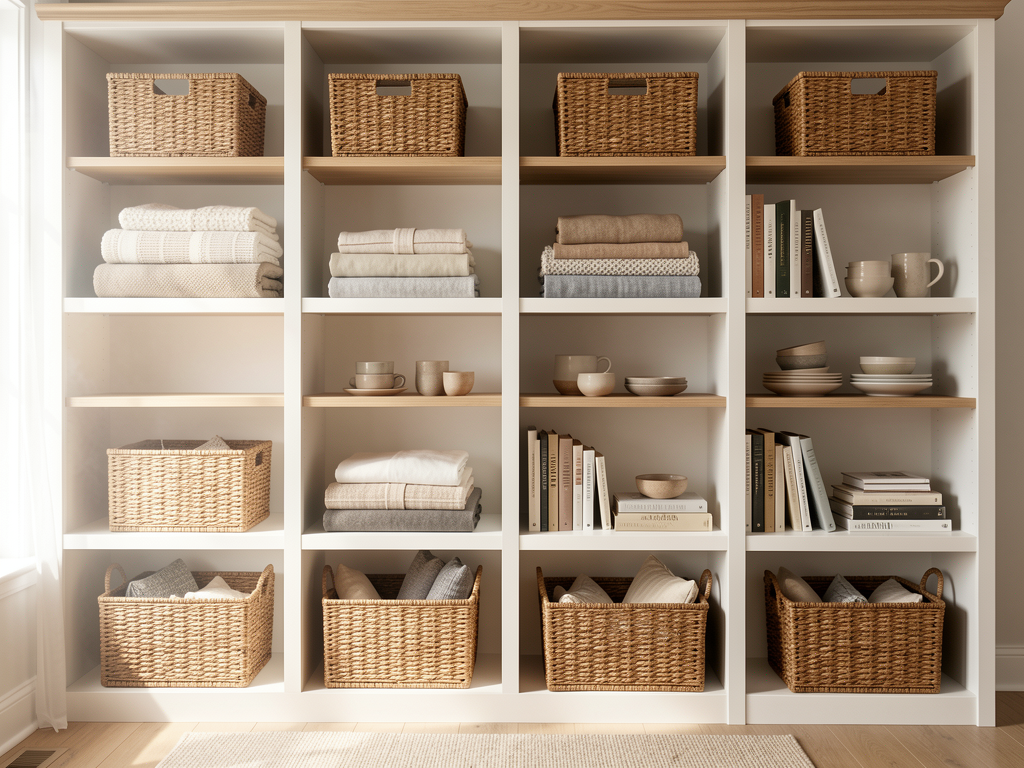
How to Make Open Storage Look Orderly
Open shelves need rhythm, not perfection: repeat container types, leave breathing room, and separate display from utility.
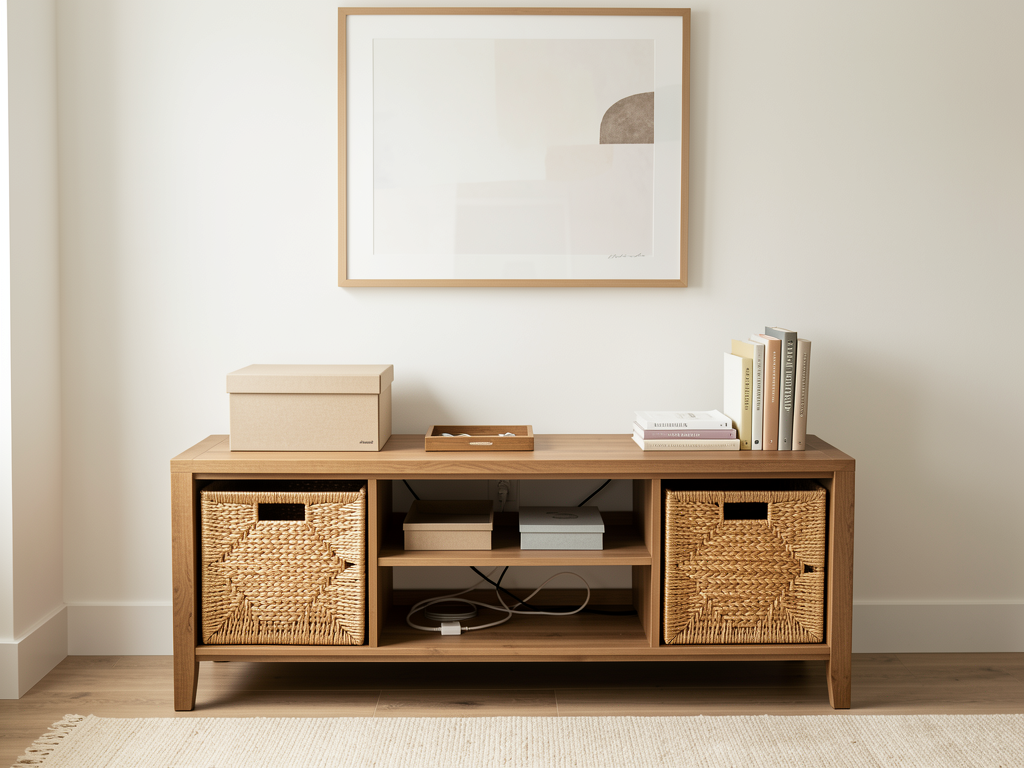
Hide Visual Clutter Without Hiding Everything
Use selective concealment, repeated containers, and open-access zones so daily items stay reachable without dominating the room.
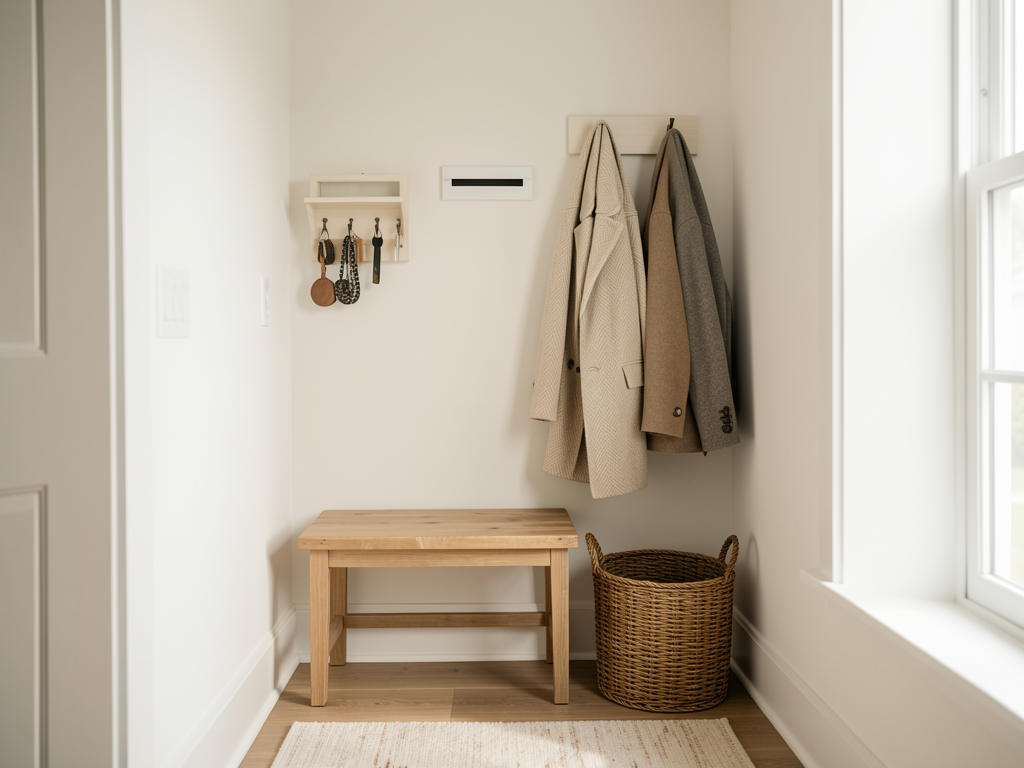
Create a Drop Zone That Stays Attractive
Turn the place where keys, bags, and mail land into a small system that looks deliberate instead of chaotic.