
A Textile Rotation System for Sofas and Beds
Rotate textiles by season with a rule of two textures and one color so the room evolves without looking like a showroom display.

By Elena Morris · June 17, 2026 · 4 min read
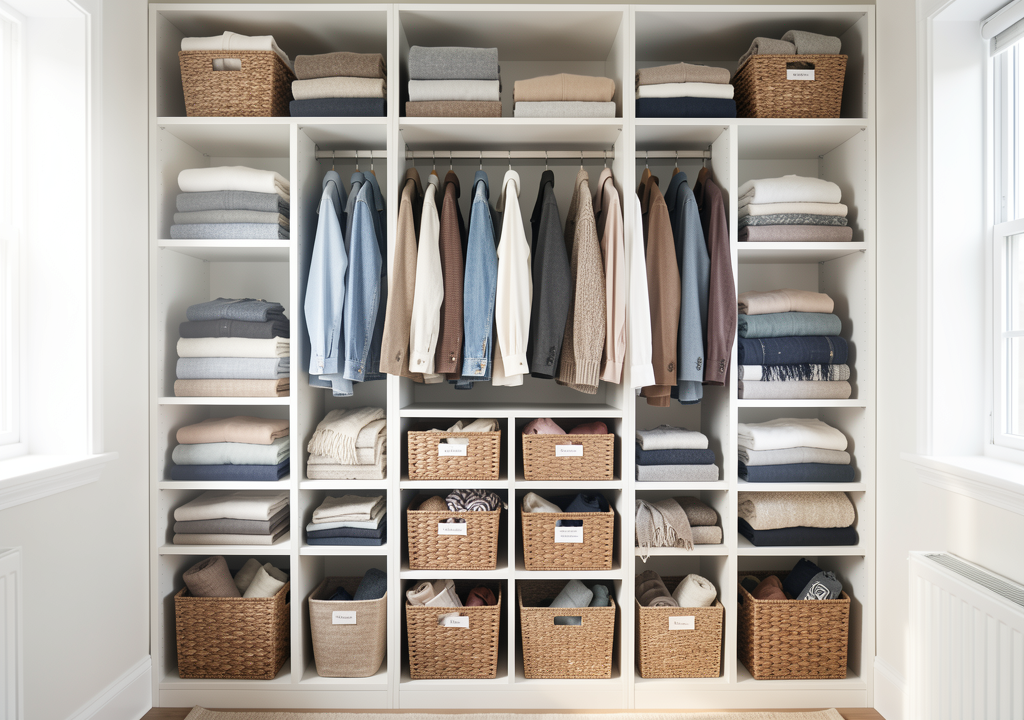
The fastest way to improve living room textiles is not to buy the most dramatic object. It is to understand the small visual decision that keeps repeating in the room. In this case, the recurring issue is simple: seasonal textile changes can either refresh a room or make it look like a rotating showroom display. When that friction is ignored, the room can be technically furnished and still feel unfinished.
This guide treats A Textile Rotation System for Sofas and Beds as a practical design system for real homes. It is written for renters, busy households, and readers who want a better-looking room without turning the house into a showroom.
Start with the visible friction
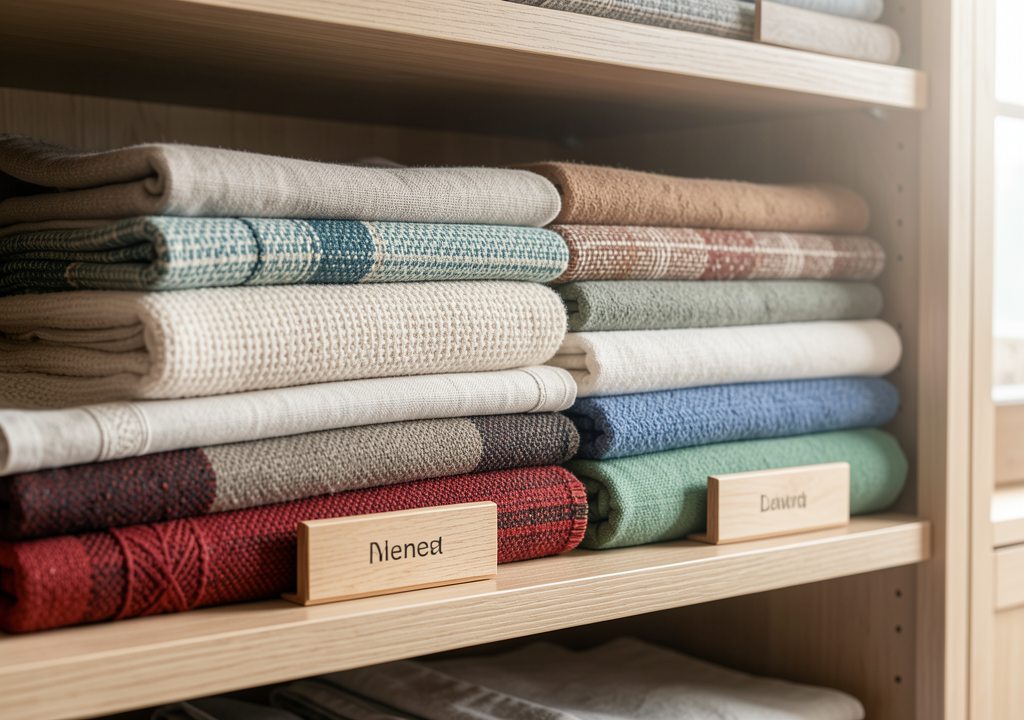
Stand at the doorway and notice what your eye reads first. Do not begin with a shopping list. Begin with the visible friction: texture count, color cohesion, storage for off-season pieces, visual weight, and the repeatable rule that ties seasons together. In an ordinary textile rotation, those details decide whether the space feels calm, intentional, or visually noisy.
A useful first pass takes ten minutes. Remove the objects that are clearly out of place, then put back only what supports the room's job. If the room still feels wrong after that edit, the issue is probably proportion, light, color rhythm, or storage logic rather than the number of objects.
The field test
| Decision point | What to check in this textile rotation system | Practical move |
|---|---|---|
| Main friction | Seasonal textile changes can either refresh a room or make it look like a rotating showroom display | Name the friction before changing objects. |
| Visual anchor | Texture count, color cohesion, off-season storage, visual weight, and one repeatable rule across seasons | Use it as the rule for what stays visible. |
| Materials | One throw, two to three cushions per season, a closed bin for off-season textiles, and one color that repeats | Follow the two-texture, one-color rule. |
| Review signal | Whether the room still feels like a home, not a display, after the seasonal switch | Revisit the setup after one ordinary week. |
The field test matters because a room is not evaluated only in a finished photograph. It has to work during a rushed morning, a quiet evening, and a normal reset. For a textile rotation system for sofas and beds, the most useful signal is whether the room still feels like a home, not a display, after the seasonal switch. If the answer is no, simplify the system before adding a new piece.
Build the change in layers
Work in three layers. First, define a repeatable rule across seasons—two textures and one color that stays constant. Second, choose textiles that layer without fighting each other in weight or pattern. Third, store off-season pieces in a closed bin so only the current season contributes to visual noise. For this room, the most reliable materials are one throw, two to three cushions per season, a closed bin for off-season textiles, and one color that repeats across all seasons.

The practical move is this: choose one element that stays the same—color, texture, or material—while rotating everything else. That sentence should guide every small decision. If an object does not support the sentence, it either needs a better place, a calmer container, or a reason to leave the room entirely.
A realistic example
Imagine the room on a Thursday evening, not on a styling day. Someone enters, uses the space, drops one item, adjusts the light, and leaves. A fragile design collapses immediately. A useful design absorbs that ordinary behavior because it gives common objects a clear place and gives the eye a clear rhythm.
In a textile rotation system, the rhythm usually comes from one constant element—color, texture, or material—that anchors each seasonal change. The anchor does not need to be expensive. It can be a throw that stays the same color while the cushions rotate, or a cushion fabric that appears across different seasons. What matters is that the same visual rule appears more than once.
Mistakes to avoid
- Do not change every textile at once without a connecting element.
- Do not mix more than two textures in one layer.
- Do not leave off-season textiles visible and creating visual noise.
- Do not choose seasonal textiles that fight the room's fixed finishes.
- Do not overbuild the system so that seasonal changes feel like work.
Maintenance rule
If the seasonal refresh feels quick for a month, keep the textile categories. If swapping feels like work, simplify one layer before adding storage. A rotation system survives when the change is small.
Related reading
Continue with A Coffee Table Vignette Formula That Does Not Feel Staged, A Shelf Styling System for Real Life, A Gallery Wall Planning Grid for Non-Designers. Those guides approach the same home from nearby decisions, so the room can improve as a connected system instead of a collection of unrelated fixes.
Final takeaway
A Textile Rotation System for Sofas and Beds works when the room becomes easier to read and easier to reset. The goal is not a perfect interior. The goal is a home that communicates care, supports daily use, and still feels like people live there.
Read next
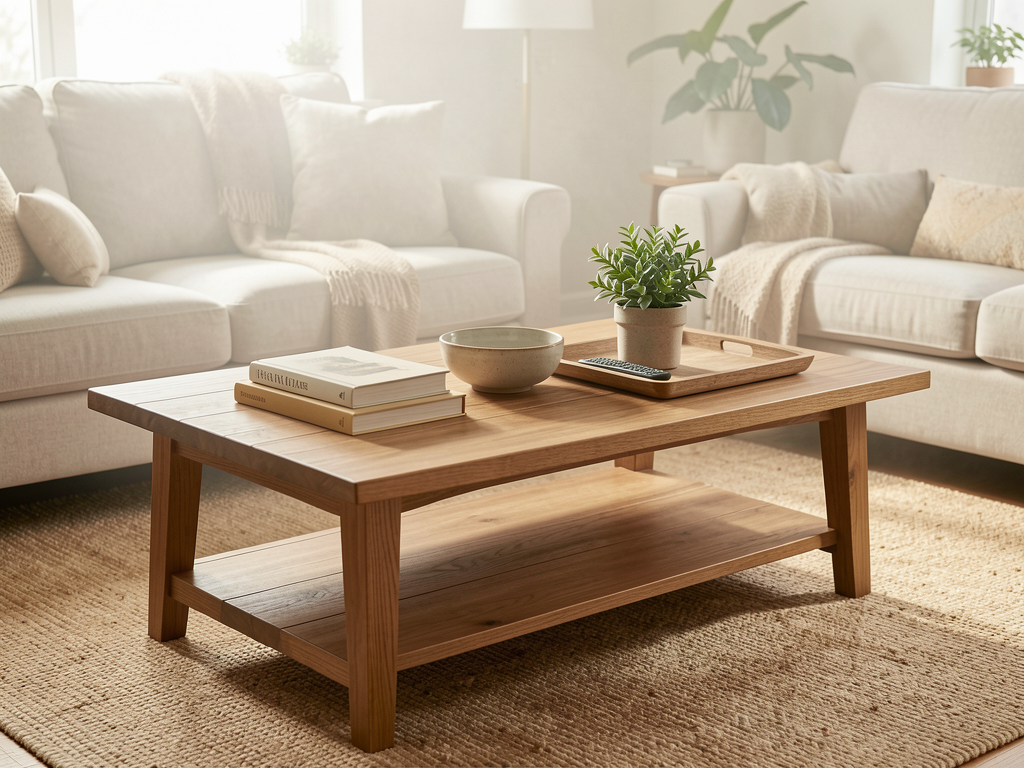
A Coffee Table Vignette Formula That Does Not Feel Staged
Build a coffee table composition that leaves space for real life while still giving the room a finished center point.
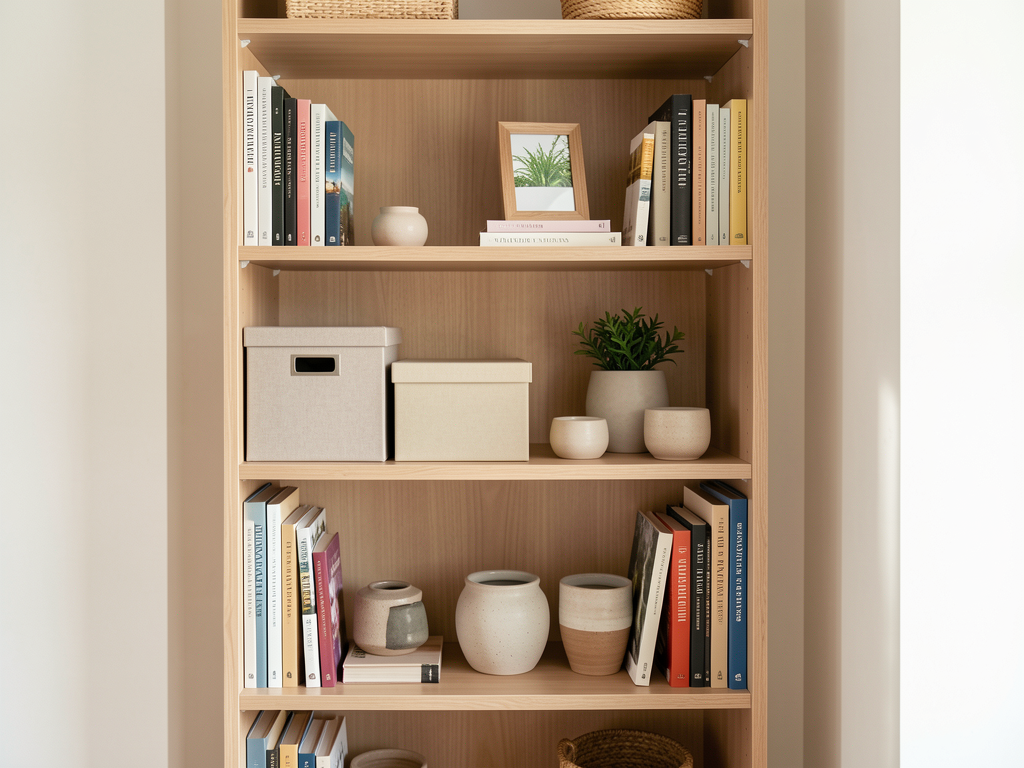
A Shelf Styling System for Real Life
Style shelves around actual storage needs with anchors, repeats, and a maintenance rule that prevents weekly restaging.
A Gallery Wall Planning Grid for Non-Designers
Plan a gallery wall with paper templates, anchor lines, and spacing rules before making holes in the wall.