
The One-Shelf Reset for Rooms That Feel Almost Finished
A practical guide to use one visible shelf as a diagnostic tool before buying new decor with concrete steps, review signals, and original editorial images.

By Elena Morris · June 22, 2026 · 5 min read
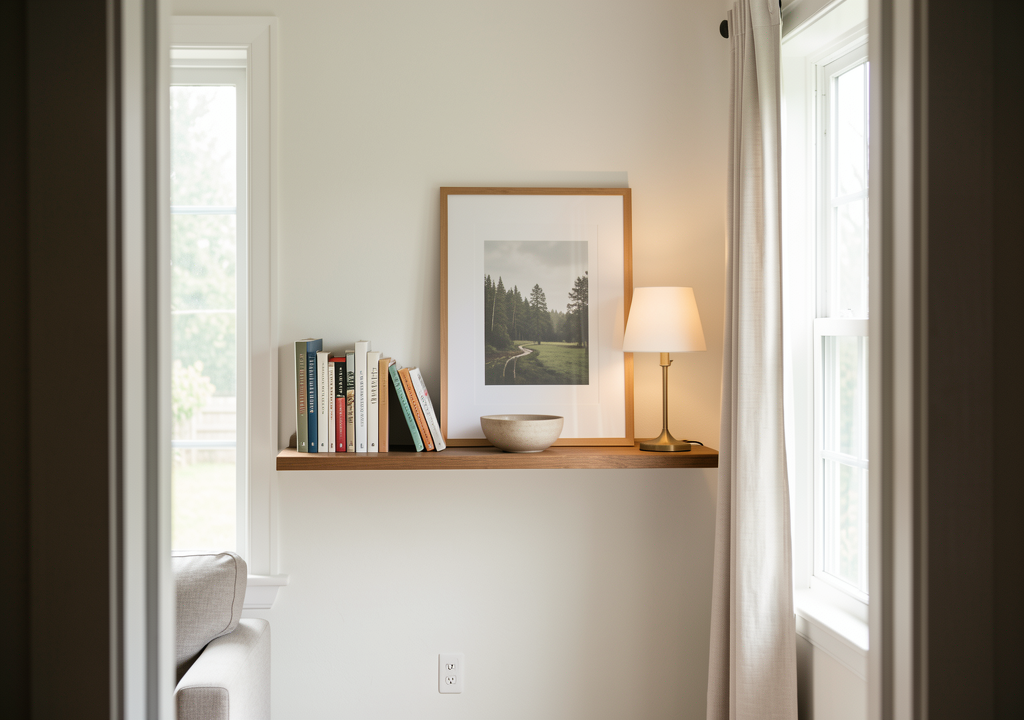
A room can look close to finished and still feel restless. The fastest test I use is not a shopping list; it is one shelf, cleared, rebuilt, and watched for a week.
The working idea is use one visible shelf as a diagnostic tool before buying new decor in an ordinary routine, not a polished system that only works in a staged photo. The success measure is simple: the next decision should become easier, safer, and less improvised.
Clear the shelf without clearing the room
Choose a shelf that sits in the normal sightline from the doorway, not the prettiest corner. Remove every object, wipe the surface, and put back only five things that explain how the room is used: one vertical stack, one low object, one personal piece, one useful object, and one small source of warmth.
This small reset works because the shelf reflects habits. If receipts, cables, keys, or half-read magazines keep returning, the room does not need another accent piece; it needs a visible landing rule.
Before moving on, write one observable signal: what you will check, how long you will spend, and what result is good enough to stop adjusting out of anxiety.
Make one object do the visual work
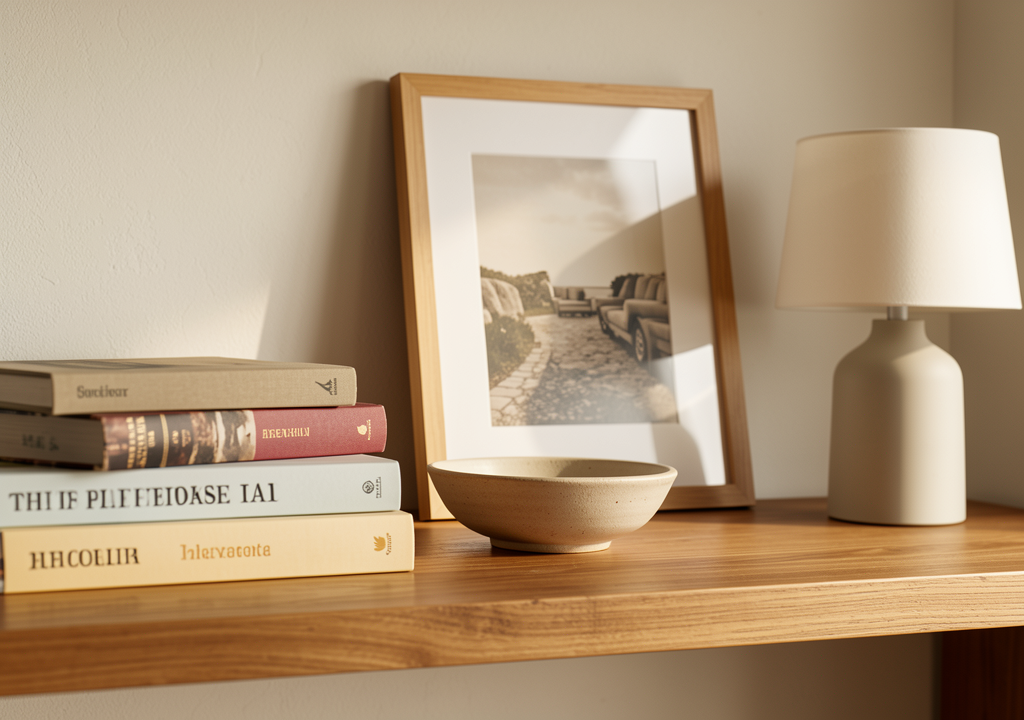
Pick a single anchor: a matte lamp, a framed photo, a stoneware bowl, or a book stack with a quiet spine color. Let that object set the height and repeat one material elsewhere in the room.
In my own tests, a shelf starts feeling calmer when the anchor is about one third of the shelf height. Smaller objects can stay, but they need to support the anchor instead of competing with it.
Run the Thursday evening test
The shelf is not approved on the day you style it. Check it on a Thursday evening after bags, cups, mail, or chargers have passed through the room. If the arrangement still reads from two meters away, it is durable.
If it collapses, do not add more trays. Remove one category and move the returning clutter to a closed drawer, a basket by the entry, or a charging station that belongs somewhere else.
A useful practical limit is to review once, act once, and leave a short note for next time. Extra loops usually create noise, not clarity.
A short reset card
Use this card: five objects maximum, two repeated materials, one useful container, one personal item, and one empty patch of surface. Empty space is not wasted; it is what lets the useful objects look intentional.
For nearby decisions, connect this shelf test with your room color rhythm and small-space storage. The shelf is the first witness that the room is trying to do too much.
Related reading
For connected decisions, continue with How to Make Open Storage Look Orderly, Hide Visual Clutter Without Hiding Everything and Create a Drop Zone That Stays Attractive.
Practical close
The One-Shelf Reset for Rooms That Feel Almost Finished works best when the solution stays small and checkable. If the method survives an ordinary week, you have a base; if it does not, adjust one variable and test again without turning the miss into a character flaw.
A real shelf example
Here is the kind of correction this reset is meant to reveal. Say the shelf sits above a low cabinet in a room that already has a linen sofa, a black floor lamp, oak legs, and too many small objects. Start with the shelf completely empty. Put back a stack of three books on the left, a shallow ceramic bowl near the center, and one framed print leaning behind them. On the right, add the small lamp only if the shelf has an outlet nearby; if it needs a visible cord running down the wall, skip the lamp and use a taller vase instead.
Then step into the doorway. If the shelf looks busy, do not add another basket. Remove the smallest object first. Tiny pieces are usually what make a nearly finished room feel unsettled: a loose candle, a souvenir dish, a spare coaster, a plant cutting in a glass. One good bowl can hold the necessary bits. The rest should either earn its place visually or move to a drawer.
What to photograph before deciding
Take one straight-on photo from the doorway and one angled photo from the seat where you actually notice the shelf. The doorway photo tells you whether the shelf has a readable silhouette. The seated photo tells you whether the objects feel personal or merely arranged.
In the photo, look for three home-decor signals: a clear high point, one repeated material from the rest of the room, and at least a palm-width of empty surface. If the shelf has oak, linen, black metal, and white ceramic while the room already uses those finishes, the shelf will probably settle in. If it introduces brass, blue glass, glossy acrylic, and a new plant all at once, the shelf is doing too much work for a room that only needed editing.
The final decision
After a week, keep the shelf only if it still holds its shape during normal use. A good one-shelf reset should make the next purchase less tempting, not more. Maybe the room needs a lamp with a warmer shade. Maybe the books are the wrong height. Maybe the real problem is that the shelf is storing mail because the entry has no drop zone.
That is the useful answer. The shelf is not a miniature showroom; it is a quiet test surface. When it shows what color, height, texture, or storage habit is missing, the room stops feeling almost finished and starts giving you a specific next move.
Read next
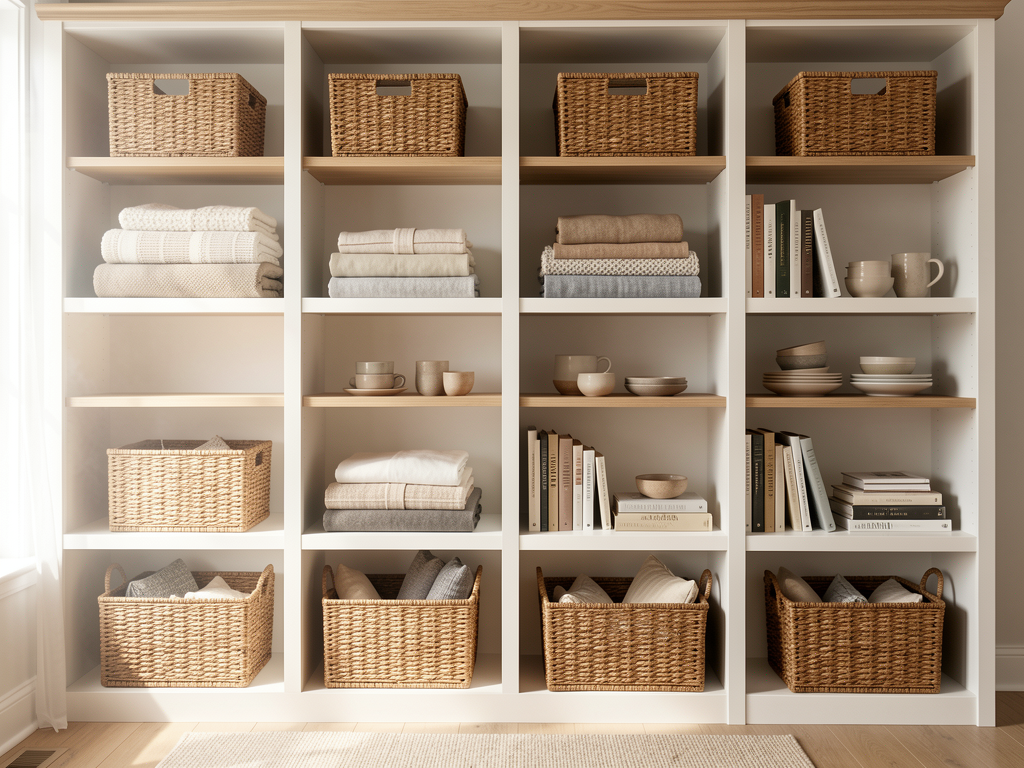
How to Make Open Storage Look Orderly
Open shelves need rhythm, not perfection: repeat container types, leave breathing room, and separate display from utility.
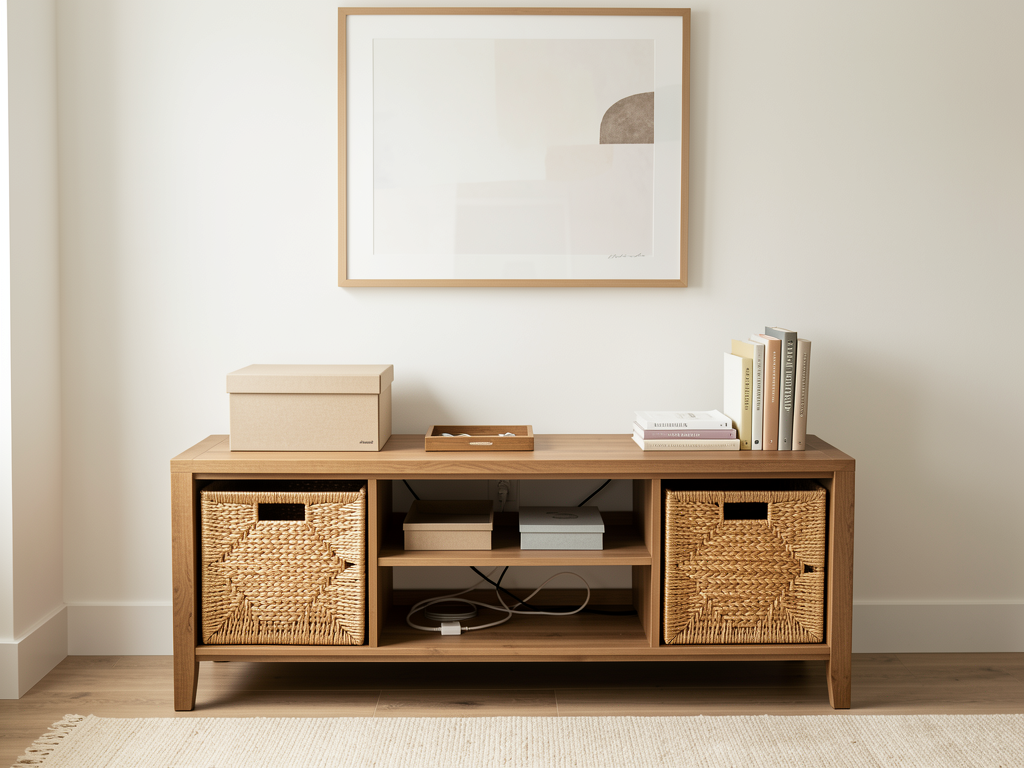
Hide Visual Clutter Without Hiding Everything
Use selective concealment, repeated containers, and open-access zones so daily items stay reachable without dominating the room.
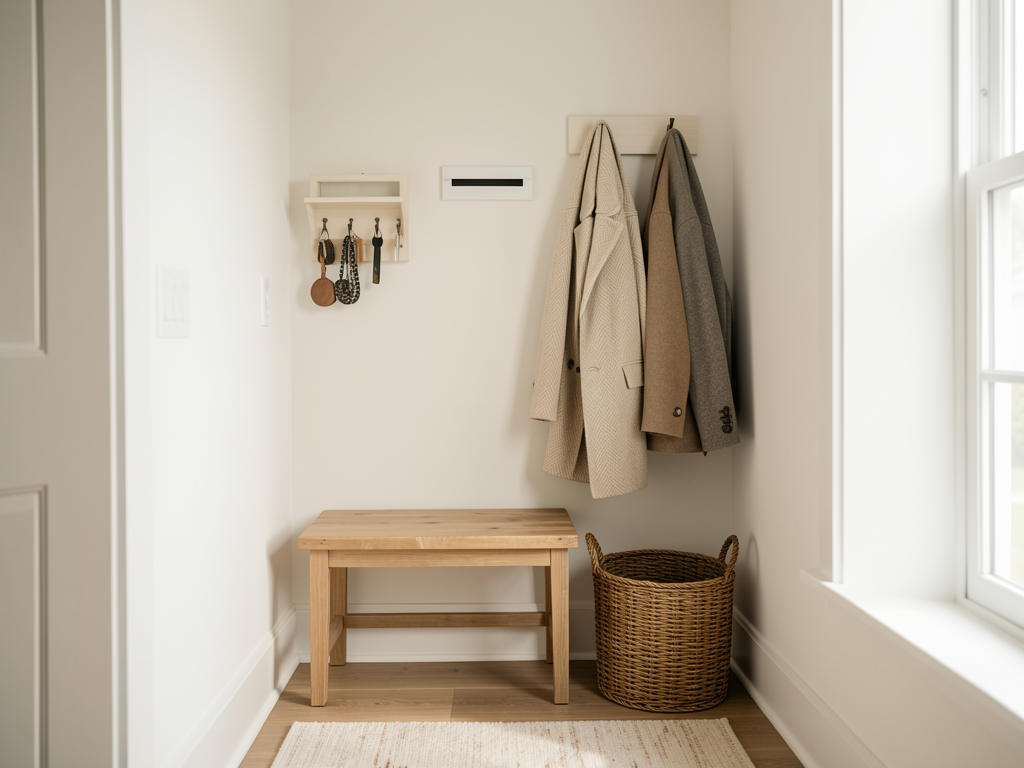
Create a Drop Zone That Stays Attractive
Turn the place where keys, bags, and mail land into a small system that looks deliberate instead of chaotic.