How to Turn a Thrifted Bookcase into a Built-In Look in a Rental: measure wall reveals, add peel-and-stick trim and foam crown, color-match paint, and secure with adhesive anti-tip straps under $140

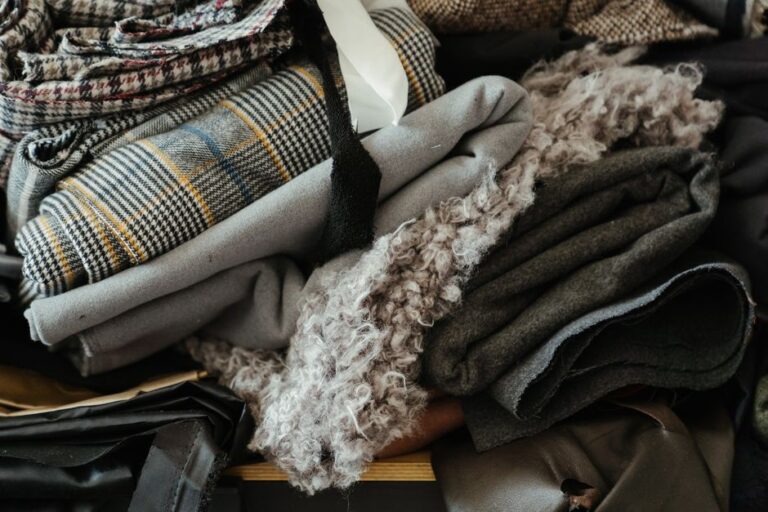
If you want designer-looking pillow covers without overspending, thrift-store textiles are your best shortcut. In this practical guide, I break down how to source wool blankets, drapery panels, and tablecloths; how to choose durable zippers that last; and how to cut for pattern matching so the result looks custom, not crafty. The goal is a high-end finish under a $60 budget, with choices that age well and survive real-life use.
Secondhand textiles often offer superior fiber content, heavier weight, and generous yardage at a fraction of retail. You can find pure wool, linen, and cotton damask that would be expensive by the yard when new. That density and drape create crisp corners and seams that read “designer.”
There is another benefit: sustainability and patina. Slightly broken-in fibers press flatter, ease better at seams, and hold shape. With the right prep and cutting plan, you transform castoffs into statement pillows that look curated rather than improvised.
In my rented apartments, reversible upgrades are non-negotiable. The same mindset applies here: pick materials that look expensive, treat them carefully, and finish well so everything can move with you.
Look for dense woven wool or wool blends with minimal pilling. Felted or boiled-wool textures can make great winter pillows, but you want even thickness and no brittle spots. Moth holes are not an automatic deal-breaker if you can cut around them.
Check edges and fold lines for thinning. Rub fabric between fingers; quality wool springs back instead of collapsing. If a care label is missing, assume gentle hand-wash or dry-clean to avoid felting. Avoid scratchy army blankets unless you plan to line or use the reverse side.
Color reads richer on wool, so neutrals like camel, charcoal, and oatmeal elevate a sofa instantly. Plaid and windowpane are excellent for pattern matching if you plan your cuts with care.
Thrifted drapery can offer meters of fabric with a designer look. Prioritize natural-fiber or blend textiles with visible texture: slubby linen, cotton-linen blends, and thick twill. Lined panels are a bonus, giving you extra fabric or fusible-like body.
Inspect sun-fade at top hems and edges. If the outer edges are lighter, trim that portion off in your layout. Feel the face fabric for dry rot by gently tugging diagonally; it should resist without tearing.
Large-scale prints on drapery are ideal for a dramatic single-motif pillow. Buy panels in pairs when possible if you want multiple matching covers.
Vintage cotton damask and hotel-weight linen tablecloths create pillows that look boutique. Check for ring stains and place them outside your cutting area. Small embroidered details can become a centered feature on a lumbar pillow.
Feel for tight weave that blocks light when lifted. Avoid vinyl or plastic-backed cloths. If there is a hemstitch border, consider using it as a ready-made decorative flange by aligning your cut to include the border on the pillow front.
Runners can yield narrow lumbar covers. Combine two runners of similar tone for a tonal set with subtle contrast.
The fastest way to waste money is buying fabric before confirming insert sizes. Measure the flat seam-to-seam distance of your inserts. A common formula is to sew covers 1 to 2 cm smaller than the insert for a plump fit, but adjust for insert firmness.
Square sizes like 18, 20, and 22 inches are versatile, while a 12×20 lumbar breaks repetition. Decide your mix before cutting so you can optimize your yardage and matching.
I learned the hard way that skipping prep costs more. Translate that to textiles by confirming insert sizes and pre-washing compatible fabrics before you cut.
For plaid and stripes, align the dominant line along the zipper seam and across the front-center seam if you have one. Mirror the pattern on left and right edges so it flows over corners. This single choice is what makes a pillow look custom.
For large motifs, decide your feature point and center it. Ensure the same motif height lands at the top edge on multiples if you want a matched set. Photograph your layout on the floor to verify visual balance before cutting.
On textured solids, go for directional nap consistency. Keep all pieces oriented the same way to avoid color shift between panels.
Press fabric smooth and square your grain. Chalk your first front panel with the motif placement you want, then flip it face-to-face over the remaining cloth to trace a mirrored back panel for clean alignment.
Plan zipper placement at the bottom edge so mismatches are less visible. If you have limited fabric, prioritize perfect matching on the front; let the back be a plain coordinate or rotated pattern to save yardage.
Keep consistent seam allowances, typically 1 to 1.5 cm. Mark match points across seams with notches for precision during sewing.
For most pillows, a nylon coil zipper from a reputable brand is durable and flexible. Coil teeth glide over bulk, handle curves at corners, and are less abrasive to inserts than exposed metal.
Match zipper length to the pillow width minus seam allowances so the opening is generous. An 18 to 22 inch zipper suits common square sizes, while a 16 to 18 inch zipper works for lumbar pillows.
Choose a color that blends with your fabric or goes slightly darker. Pale zippers on dark wool can look cheap if they peek at the seam.
An invisible zipper gives a seamless designer finish on linens and smooth weaves. It requires an invisible zipper foot and accurate pressing. A lapped zipper is slightly more forgiving on thick wool and heavy drapery.
If your fabric frays or is loosely woven, reinforce the zipper area with lightweight fusible interfacing. The zipper should operate smoothly without rippling.
Avoid reusing very old drapery zippers that feel brittle or warped. A new zipper is a small cost for a big reliability gain.
An envelope back is the cheapest closure but can gape on slippery fabrics. If you use it, add a deeper overlap. Buttons add charm but can press into inserts; reserve them for decorative covers rather than daily lounging pillows.
Wool blankets often need a gentle hand-wash in cool water with a wool-safe detergent, then a flat dry. Agitation, heat, or sudden temperature changes can felt and shrink.
Linen and cotton tablecloths usually tolerate a machine wash on gentle. Test colorfastness on a hidden seam with a damp white cloth before committing. If dye transfers, keep cleaning cold and separate.
Drapery panels marked dry-clean only may hide interlinings that distort in water. If unsure, surface-clean and steam, or consult a cleaner familiar with vintage textiles.
Sun and airflow are free deodorizers. Hang pieces outdoors out of direct harsh sun for a few hours. A gentle fabric steam pass helps relax creases and refresh fibers.
De-pill with a fabric shaver and remove lint to restore texture. For loose weaves, consider underlining the pillow front with a thin cotton to prevent insert show-through.
Press thoroughly before cutting. A flat, stabilized textile is half the battle for neat seams and clean corners.
Set a maximum spend per pillow set before shopping. Allocate most of your budget to the best textile you can find because fabric quality is what the eye reads first. Zippers and thread take a smaller slice and should still be reliable.
A practical split is to dedicate the majority to textiles, a modest portion to quality coil zippers and matching thread, and the rest to interfacing or piping cord if you choose it. Skip trendy trims you cannot maintain or clean easily.
Buy inserts separately and reuse what you already own. If you need new inserts, down-alternative with a high fill and cambric cover gives structure for less than premium down while being easier to maintain.
Mix textures across the sofa: one wool plaid, one solid slubby linen, and one tonal damask lumbar. Keep a restrained palette and vary scale. A quiet trio reads curated, not chaotic.
Balance your arrangement with a larger pillow at the back, a medium in front, and a lumbar to anchor. Repeat a color from your rug or art to tie the room. If you are reworking a secondhand seating area, these same principles help your whole vignette feel cohesive.
For more living-room cohesion with budget finds, see how to elevate a secondhand seating area in how to style a thrifted sofa to look designer. And if you are building a layered corner with a fresh lamp and new pillows, pair the look with a safe lighting refresh in how to test and rewire thrifted lamps safely.
Press the fabric to your cheek and inner forearm; those areas are more sensitive than your hands. If it feels prickly, either plan to use it only for pillow fronts with a smoother back, add a soft lining, or skip it. A dense, soft hand with spring is a better choice for lounge pillows.
Some panels contain interlinings or finishes that distort in water. If labels are missing, test a small hidden corner for shrinkage and dye transfer in cold water. When in doubt, surface-clean, steam, or consult a cleaner experienced with vintage drapery.
For home textiles, quality nylon coil zippers are generally more forgiving under stress and less likely to snag inserts. Metal can be durable, but it is stiffer and can feel rough at the seam. Choose coil with a sturdy slider and reinforce the area with lightweight interfacing.
Identify a dominant stripe, align it on the bottom (zipper) edge, and mirror your back panel to the front for alignment. Prioritize perfect matching on the front face and allow the back to break pattern if yardage is tight. Mark match points with notches to guide stitching.
A simple trio works well: two 20-inch squares plus one 12×20 lumbar, or two 22-inch squares plus one 14×22 lumbar for deeper sofas. Keep patterns cohesive by mixing one hero pattern, one textured solid, and one subtle motif within a tight color palette.